NGORONGORO CRATER
Ngorongoro Crater, located in Tanzania, is a fascinating and unique geological feature. Here’s some content about this incredible natural wonder:
Introduction to Ngorongoro Crater
Ngorongoro Crater is a large, intact caldera located in the Ngorongoro Conservation Area, approximately 180 kilometers from Arusha, Tanzania. The crater is situated in a scenic area, surrounded by hills and mountains, and is known for its stunning natural beauty, diverse wildlife, and unique geological features. The crater is approximately 20 kilometers in diameter and 600 meters deep, making it one of the largest calderas in the world.
Geological History of Ngorongoro Crater
Ngorongoro Crater was formed over 2 million years ago, when a large volcano erupted and collapsed in on itself, creating a caldera. Over time, the crater was filled with water, and eventually, it became a shallow lake. However, due to the lack of drainage, the lake eventually dried up, leaving behind a salt-encrusted floor. Today, the crater is a dry, grassy plain, surrounded by steep walls and filled with a diverse array of wildlife.
Wildlife in Ngorongoro Crater
Ngorongoro Crater is home to an incredible array of wildlife, including:
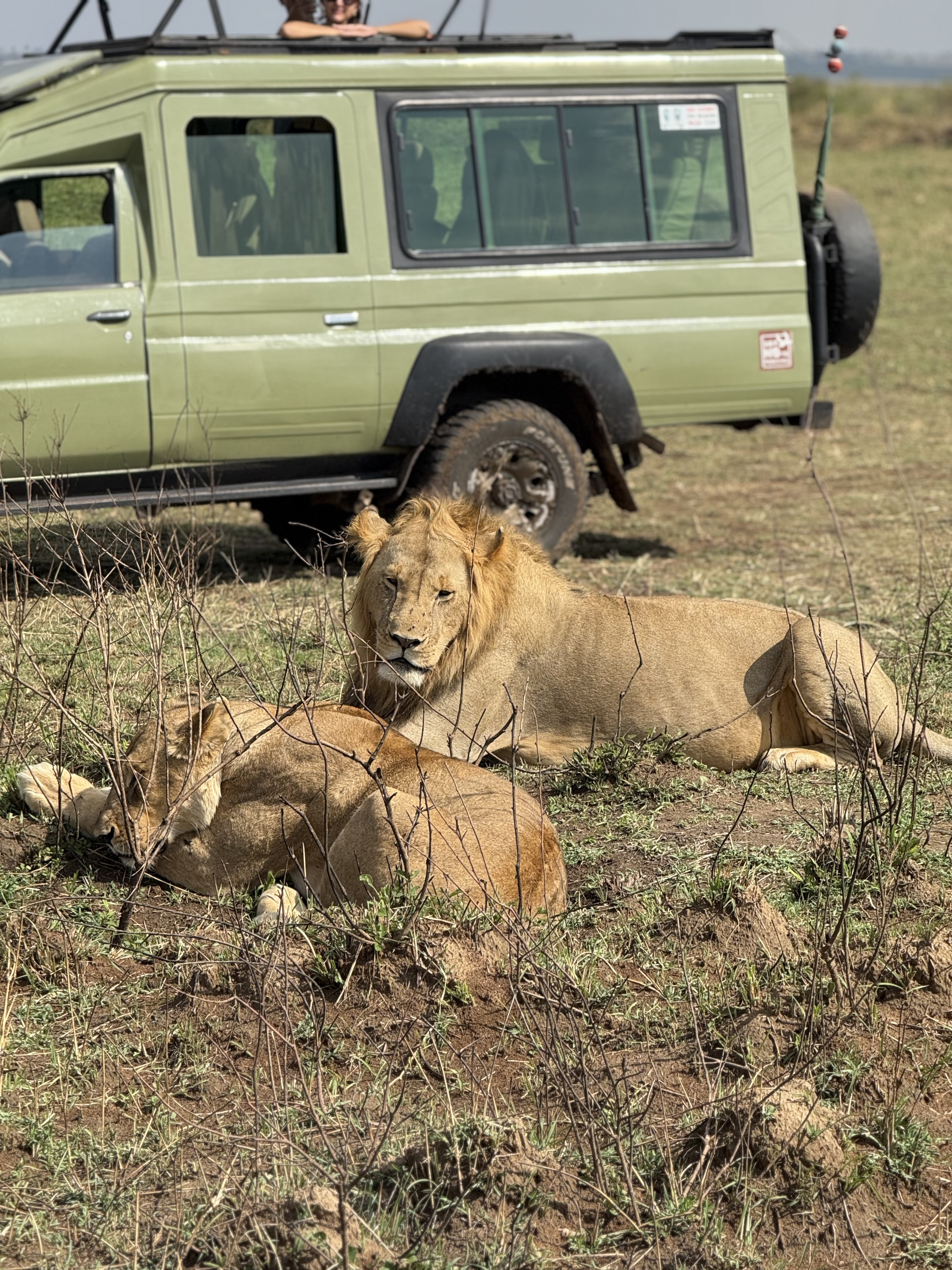
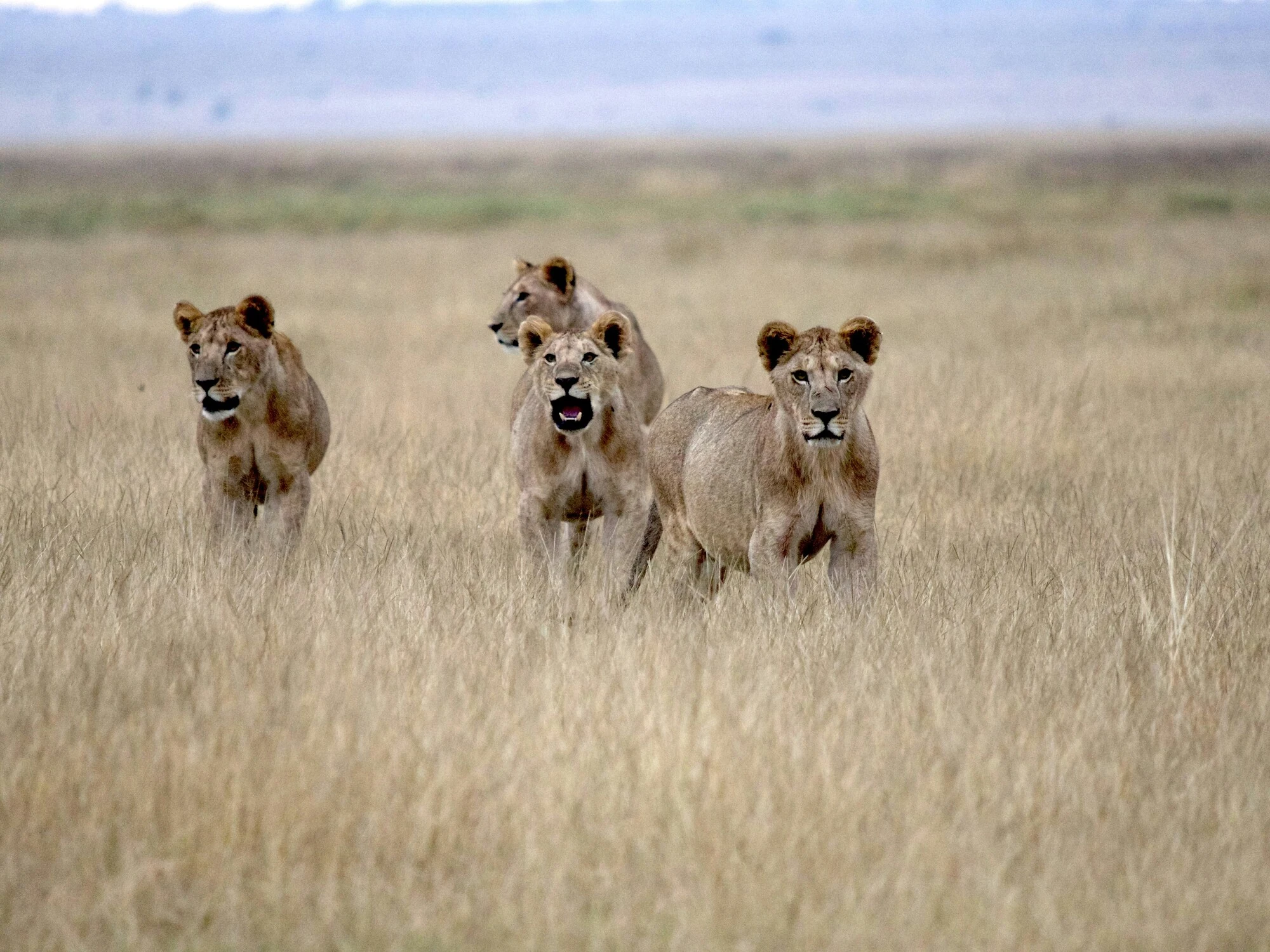
• Lions: the crater is home to a large pride of lions, which can be seen lazing in the sun or stalking their prey
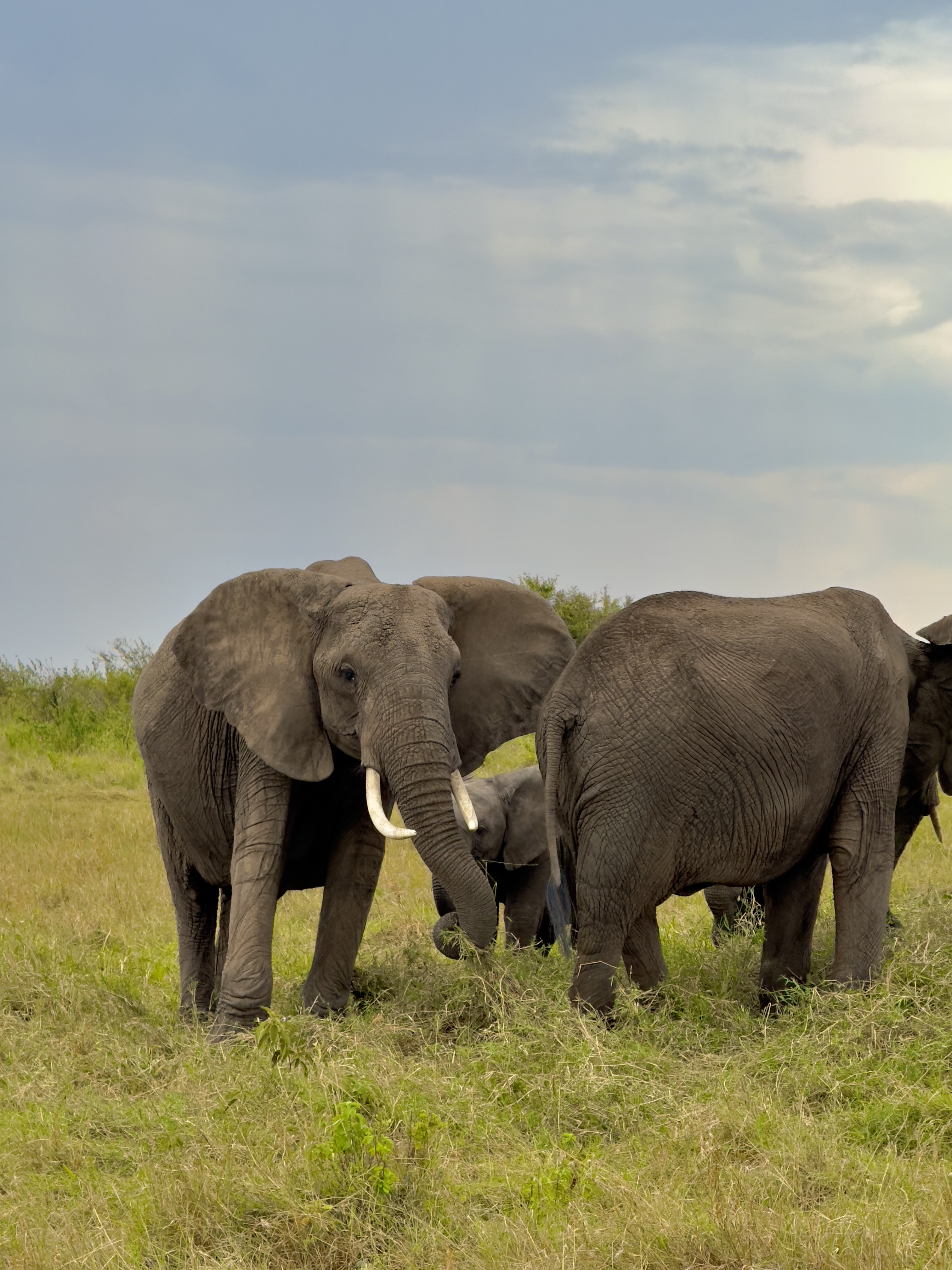
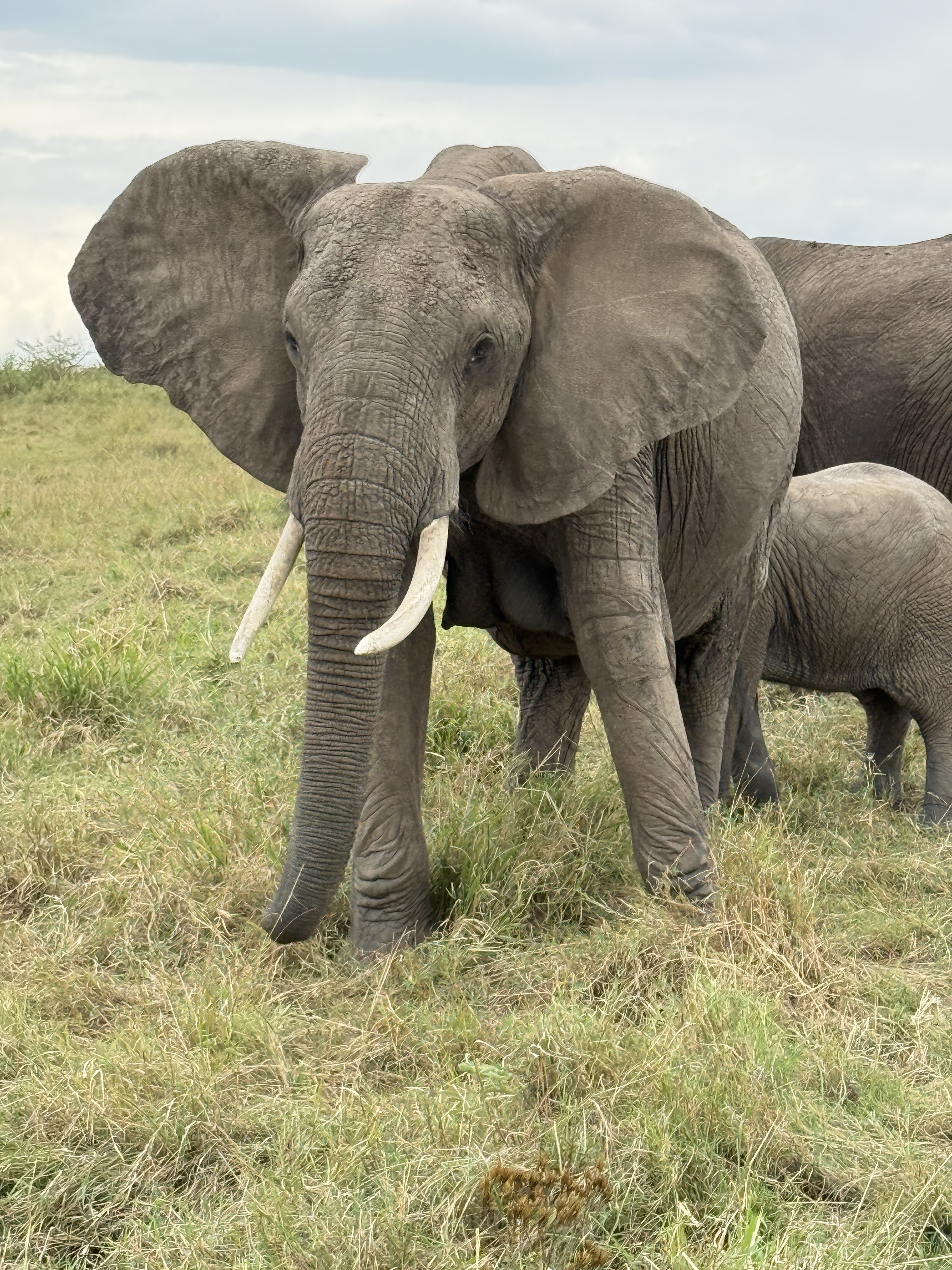
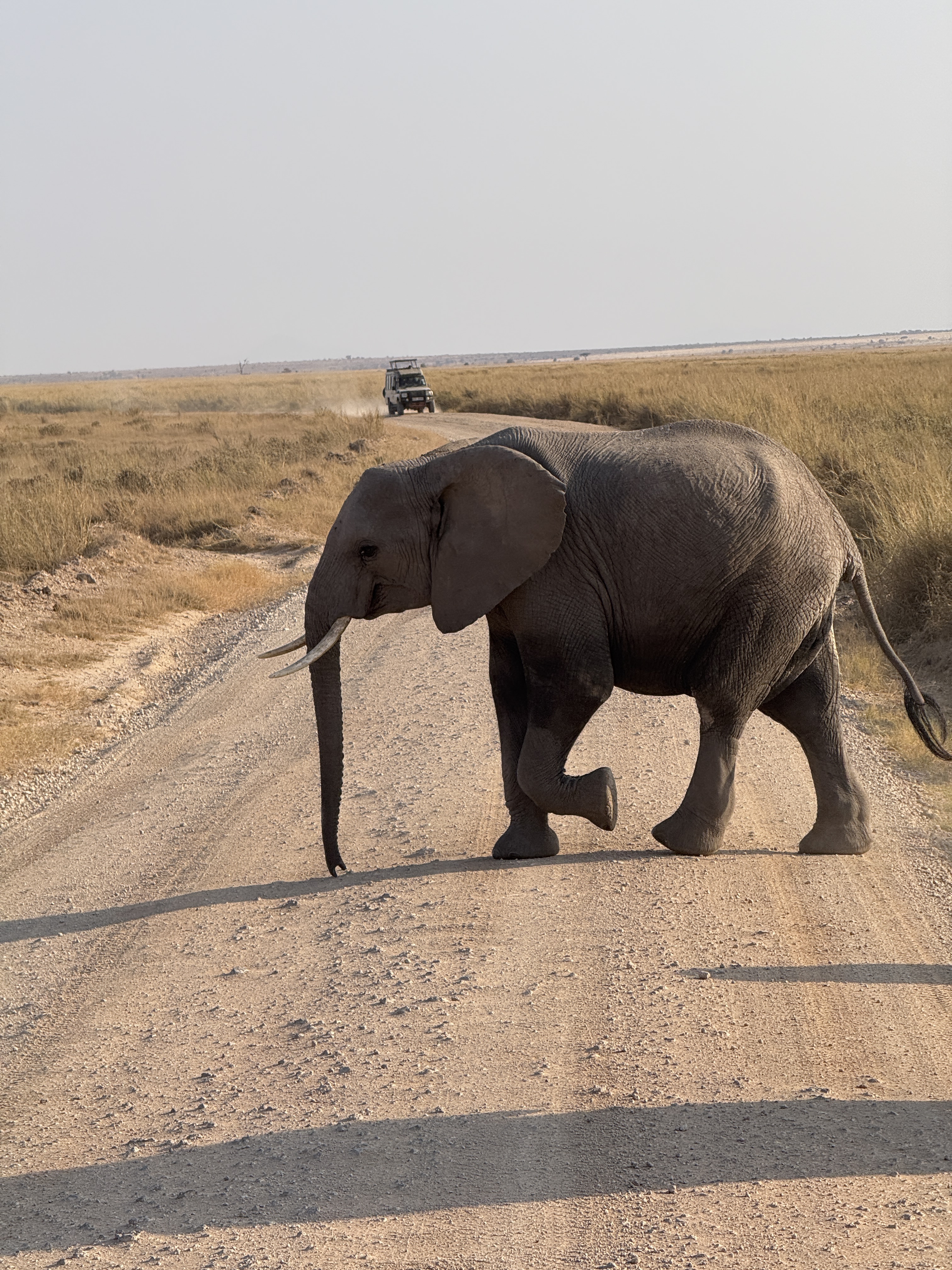
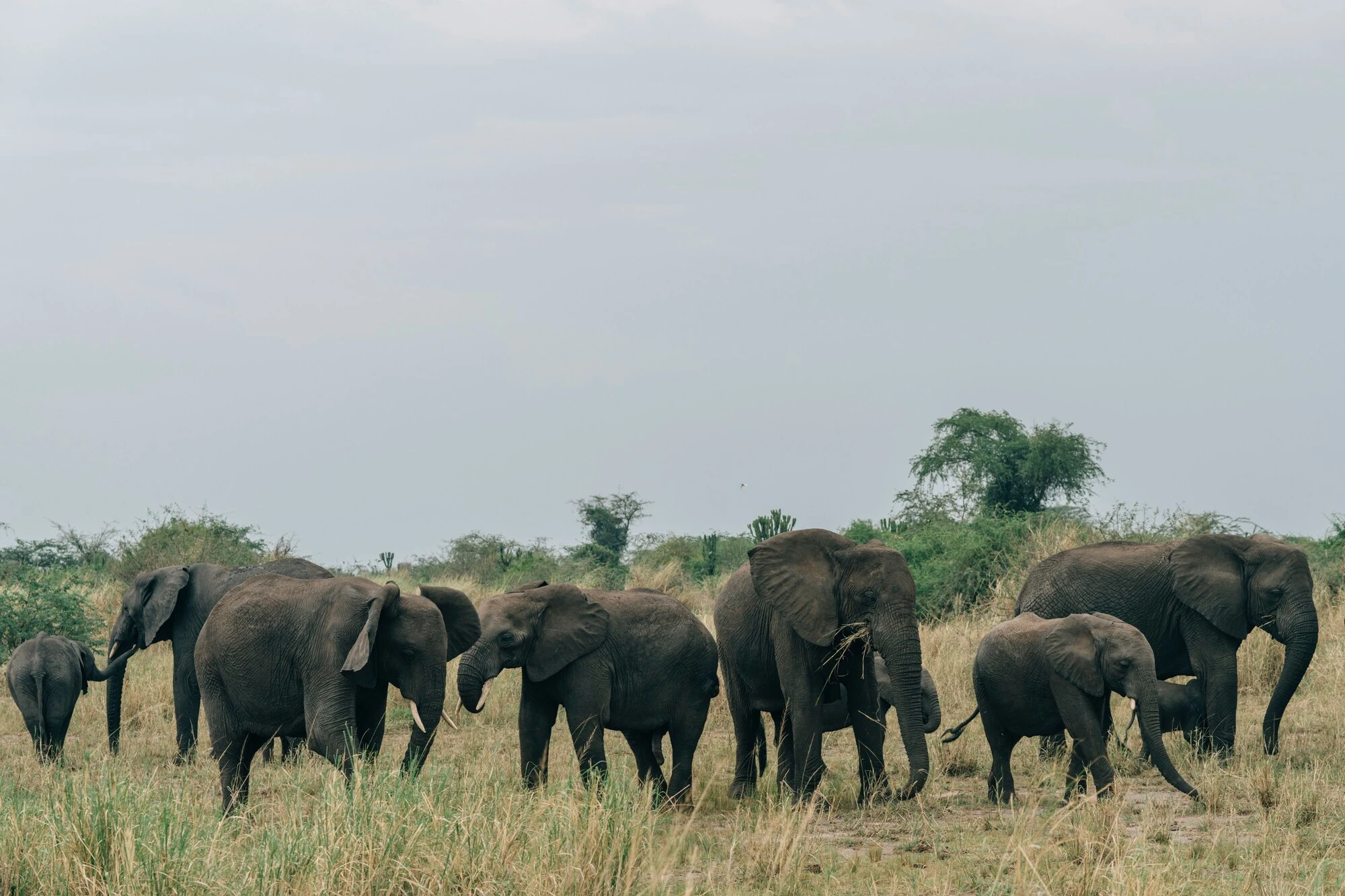
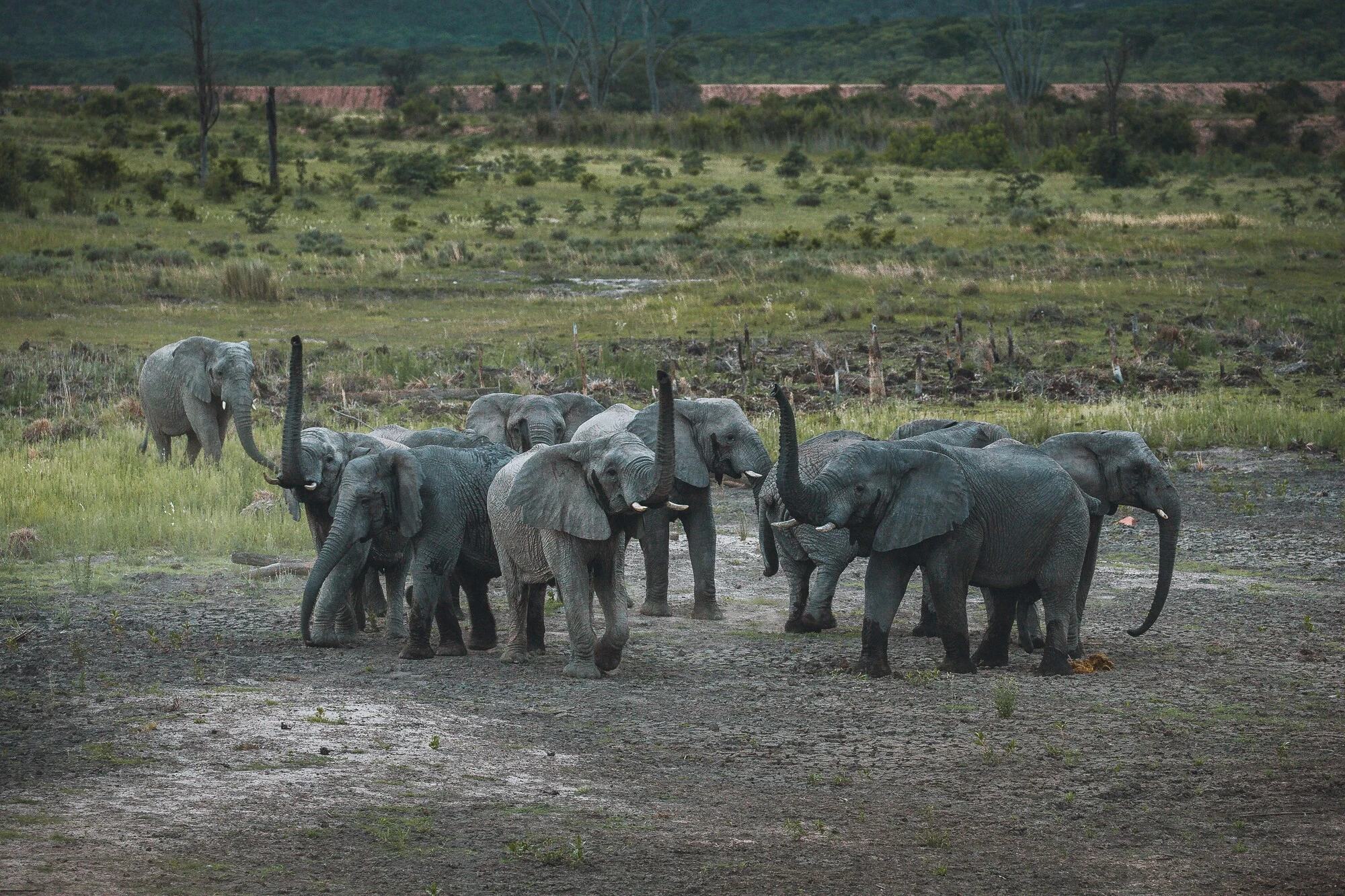
• Elephants: the crater is home to a large herd of African elephants, which can be seen roaming the grasslands and forests
• Rhinoceros: the crater is home to a number of black rhinoceros, which are part of a breeding program to help increase the population of these endangered animals
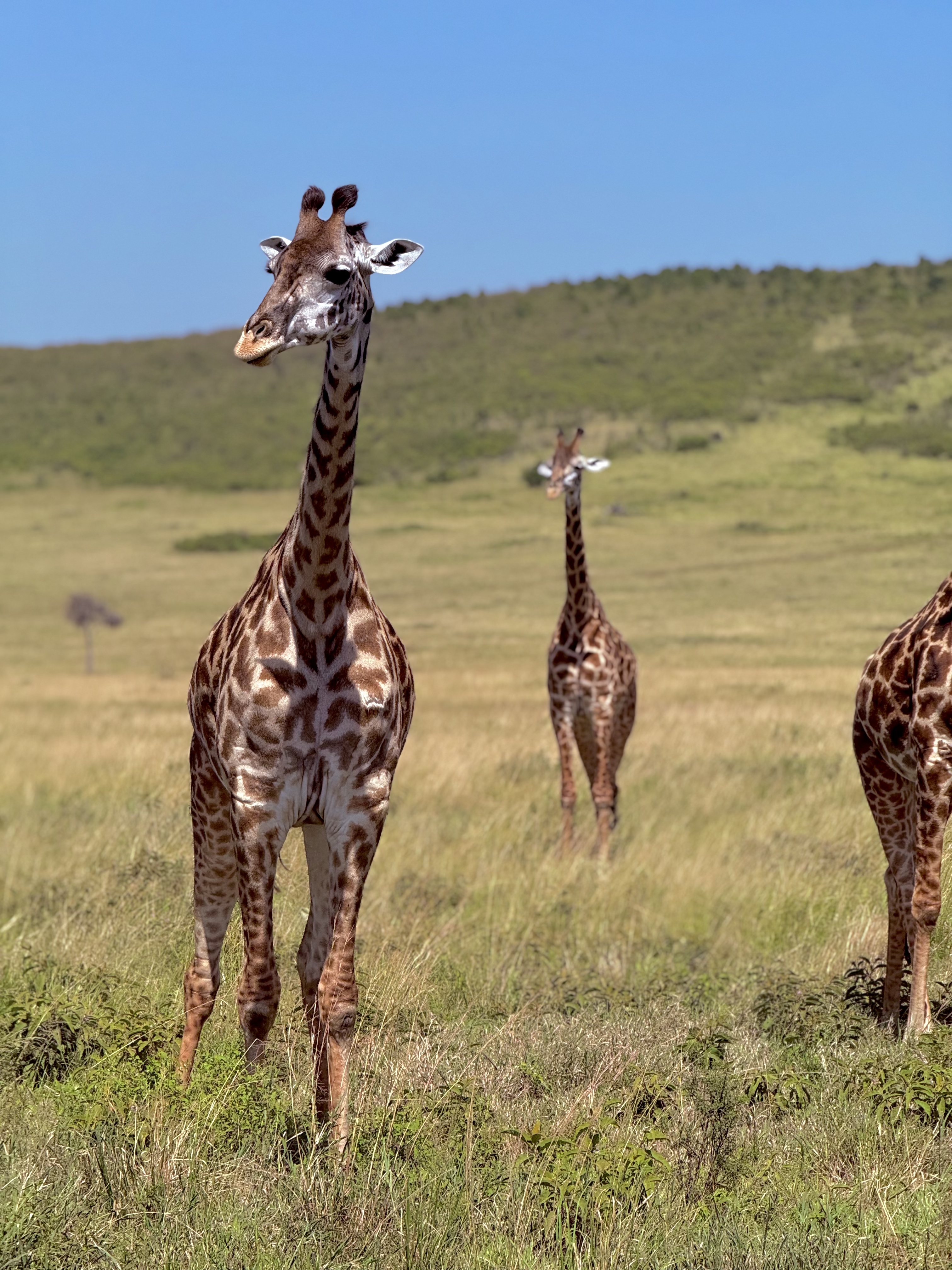
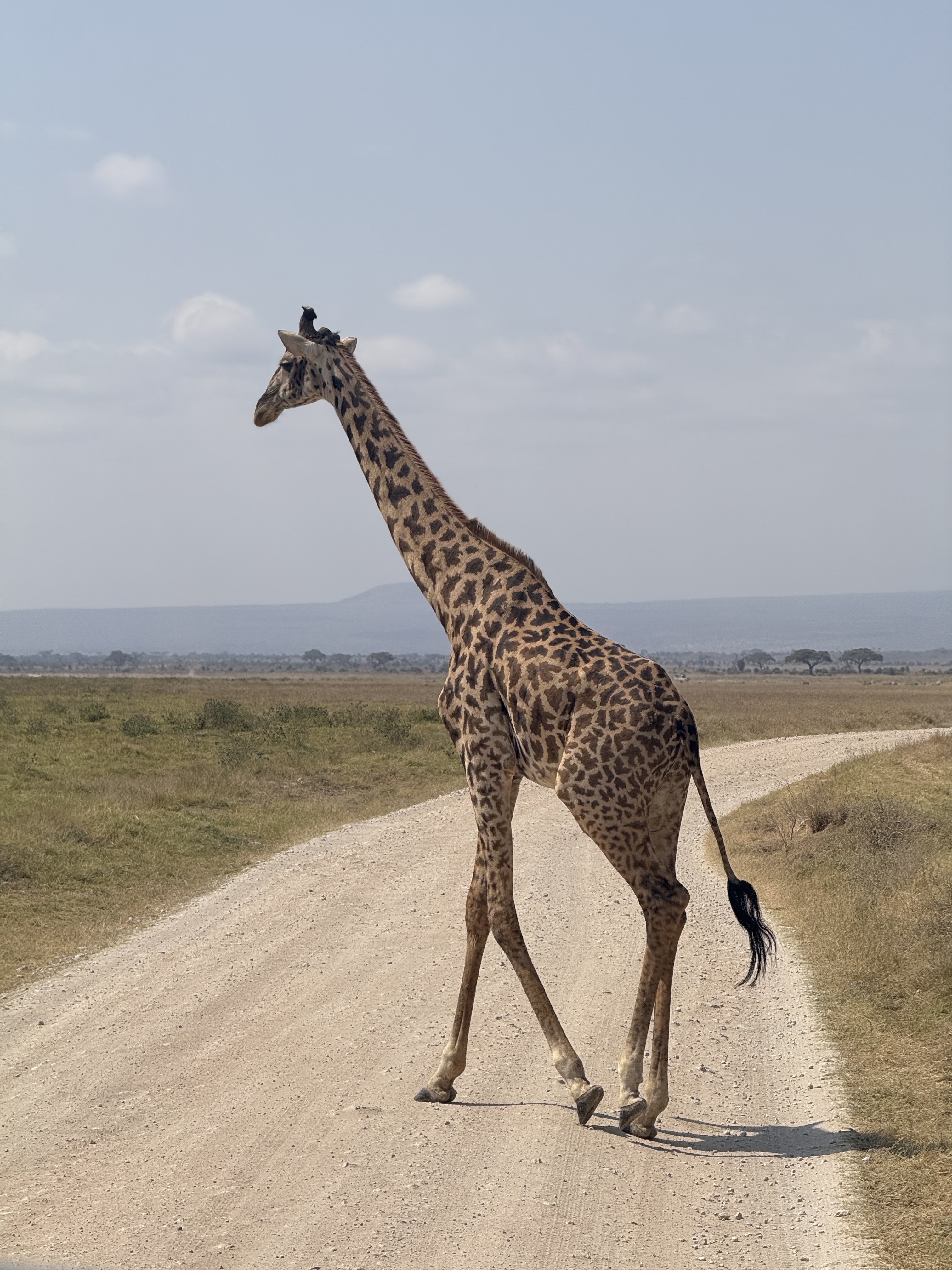
• Giraffes: the crater is home to a number of giraffes, which can be seen roaming the grasslands and forests
• Hyenas: the crater is home to a number of spotted hyenas, which can be seen roaming the grasslands and forests
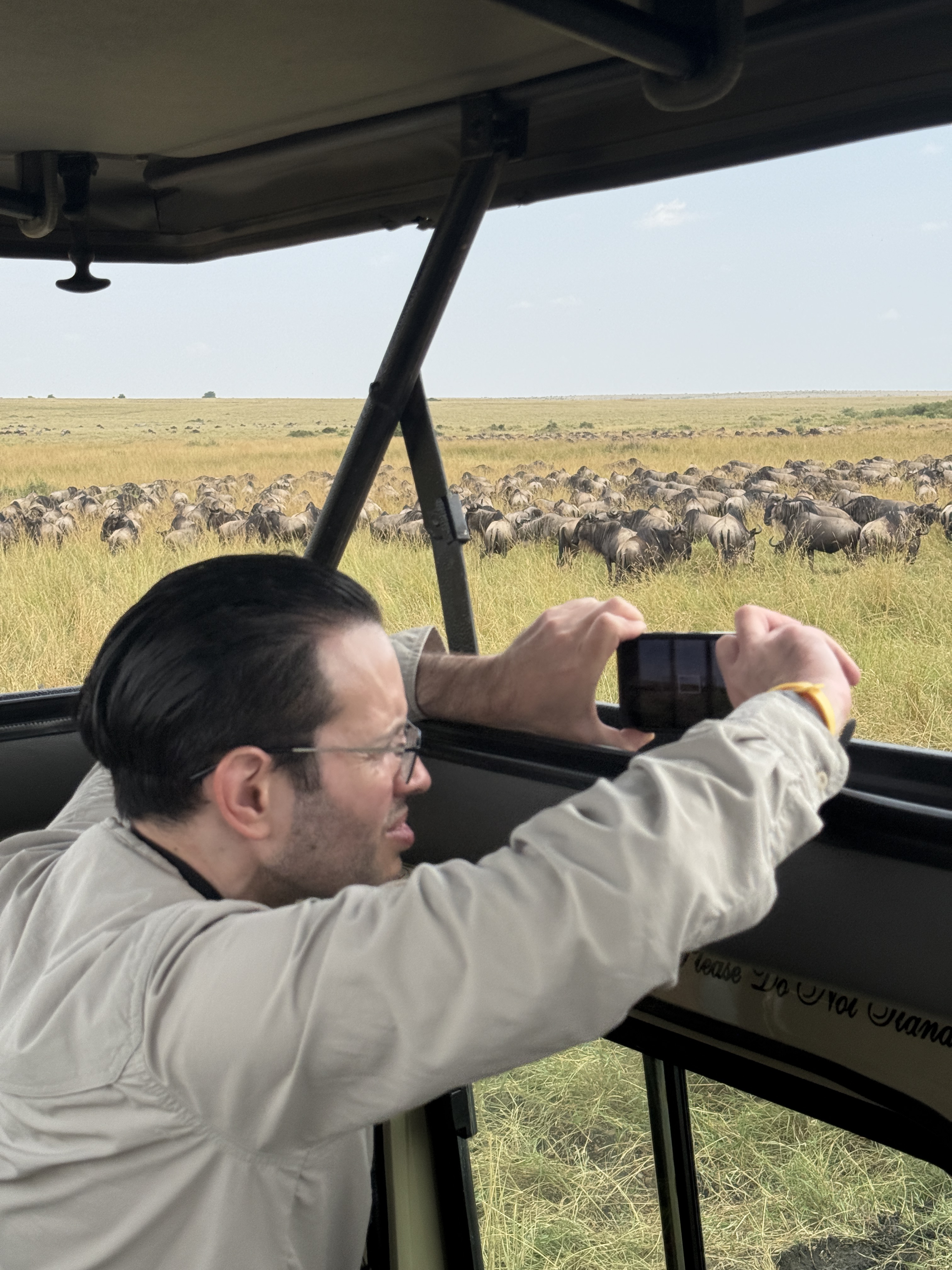
• Wildebeest: the crater is home to a large migration of wildebeest, which can be seen moving through the area in search of food and water
Unique Features of Ngorongoro Crater
Ngorongoro Crater is home to a number of unique features, including:
• The crater’s unique geological shape: the crater is a perfect example of a caldera, with steep walls and a flat, grassy floor
• The crater’s diverse wildlife: the crater is home to an incredible array of wildlife, including many endangered species
• The crater’s stunning natural beauty: the crater is surrounded by hills and mountains, and the scenic views from the rim are breathtaking
• The crater’s unique microclimate: the crater has its own unique microclimate, with a distinct temperature and precipitation pattern
Conservation Efforts
Ngorongoro Crater is a protected area, and conservation efforts are in place to preserve the crater’s wildlife and habitats. The Ngorongoro Conservation Area Authority (NCAA) is responsible for managing the area and ensuring the conservation of the crater’s unique features.
Ngorongoro Packages
Products
Tourism and Activities
Ngorongoro Crater offers a range of tourism activities, including:
guided drives to see the crater’s wildlife, including lions, elephants, and rhinoceros
guided walks to see the crater’s wildlife up close and to learn about the crater’s habitats and ecosystems
guided tours to spot the crater’s over 500 species of birds
the crater’s rim offers stunning views of the surrounding landscape and is a popular spot for photography
Accommodation
Ngorongoro Crater has a range of accommodation options, including:
• Lodges: there are several lodges located near the crater, which offer comfortable accommodation and stunning views of the surrounding landscape
• Tented camps: there are several tented camps located near the crater, which offer basic accommodation and a chance to experience the crater’s wildlife up close
• Camping: camping is also available, with several campsites located near the crater
Interesting Facts about Ngorongoro Crater
• Ngorongoro Crater is one of the Seven Natural Wonders of Africa.
• The crater is home to over 500 species of birds.
• The crater is also home to a variety of flora, including acacia trees, papyrus grasses, and succulents.
• Ngorongoro Crater is a popular spot for filmmakers, with several movies and TV shows having been filmed in the area.
• The crater is also a popular spot for scientists, with several research stations and conservation organizations having a presence in the area.
Gallery