Masai Mara National Reserve
Located in southwestern Kenya, Masai Mara National Reserve is one of the most renowned and biologically diverse wildlife conservation areas in Africa. Covering approximately 1,510 square kilometers (583 square miles), it is part of the larger Mara-Serengeti ecosystem, which stretches into Tanzania. Renowned for its stunning landscapes, the reserve is characterized by savannah plains, acacia-dotted hills, and winding rivers, making it an exceptional habitat for a myriad of wildlife species.
Wildlife and Biodiversity
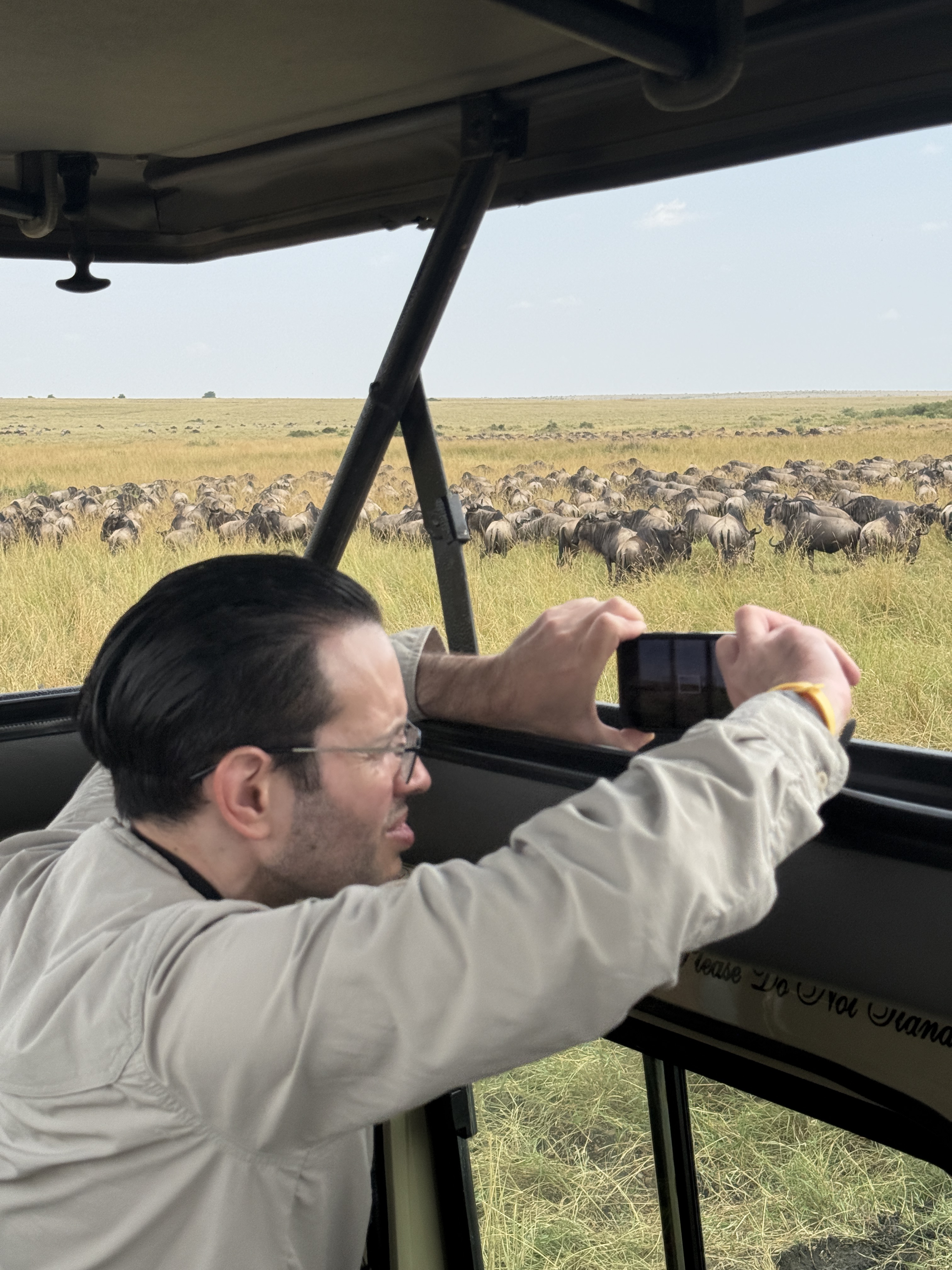
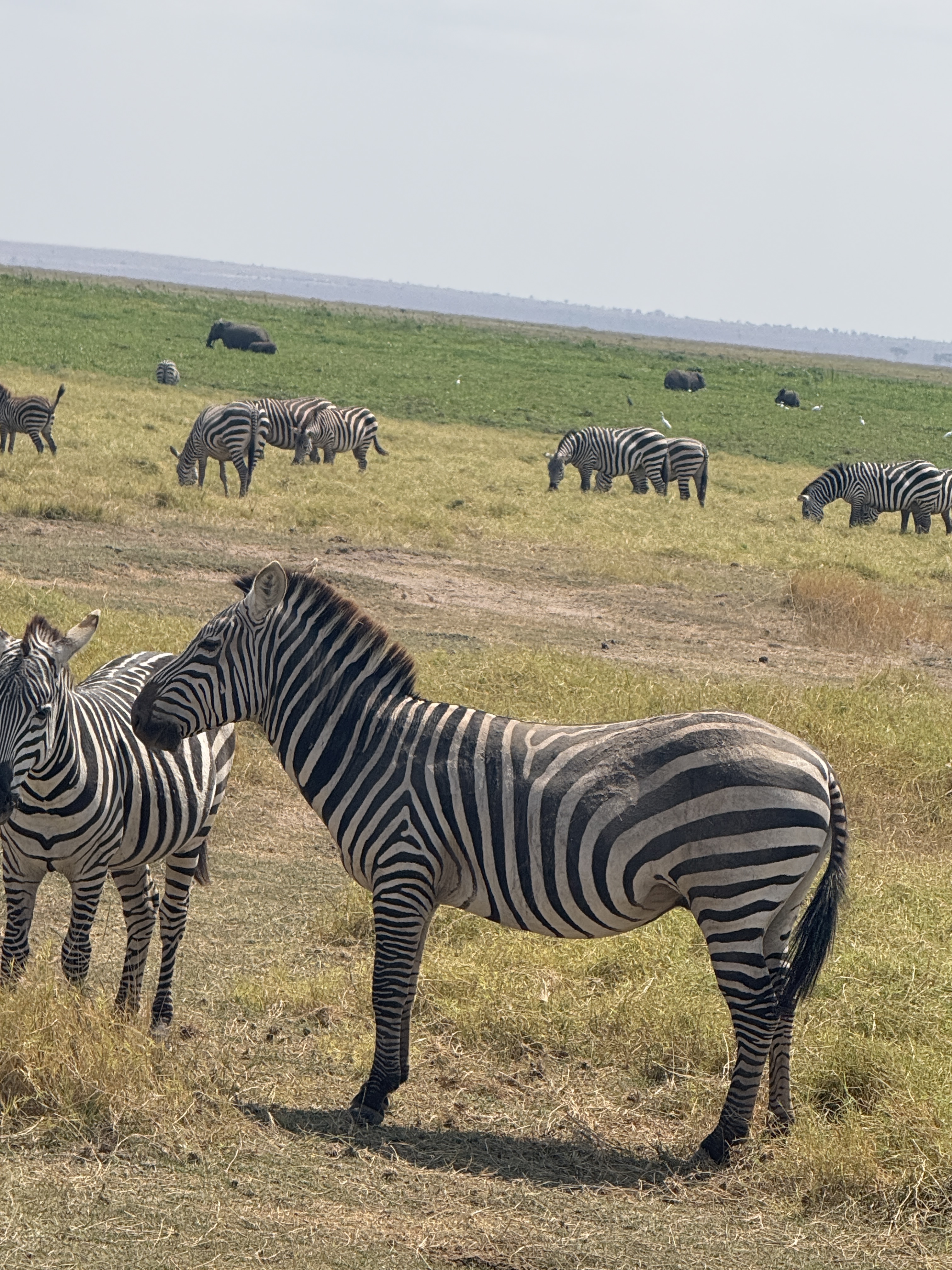
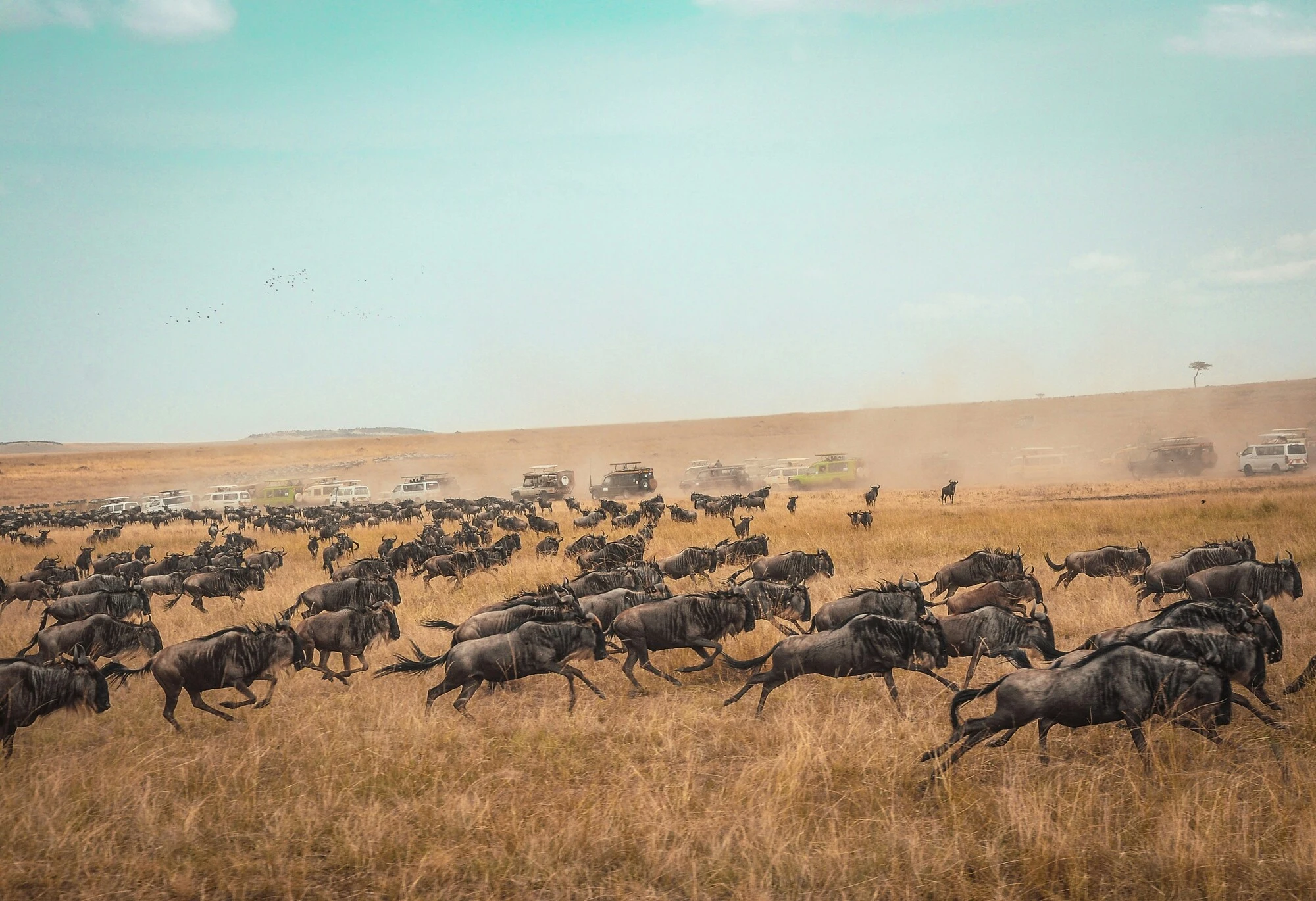
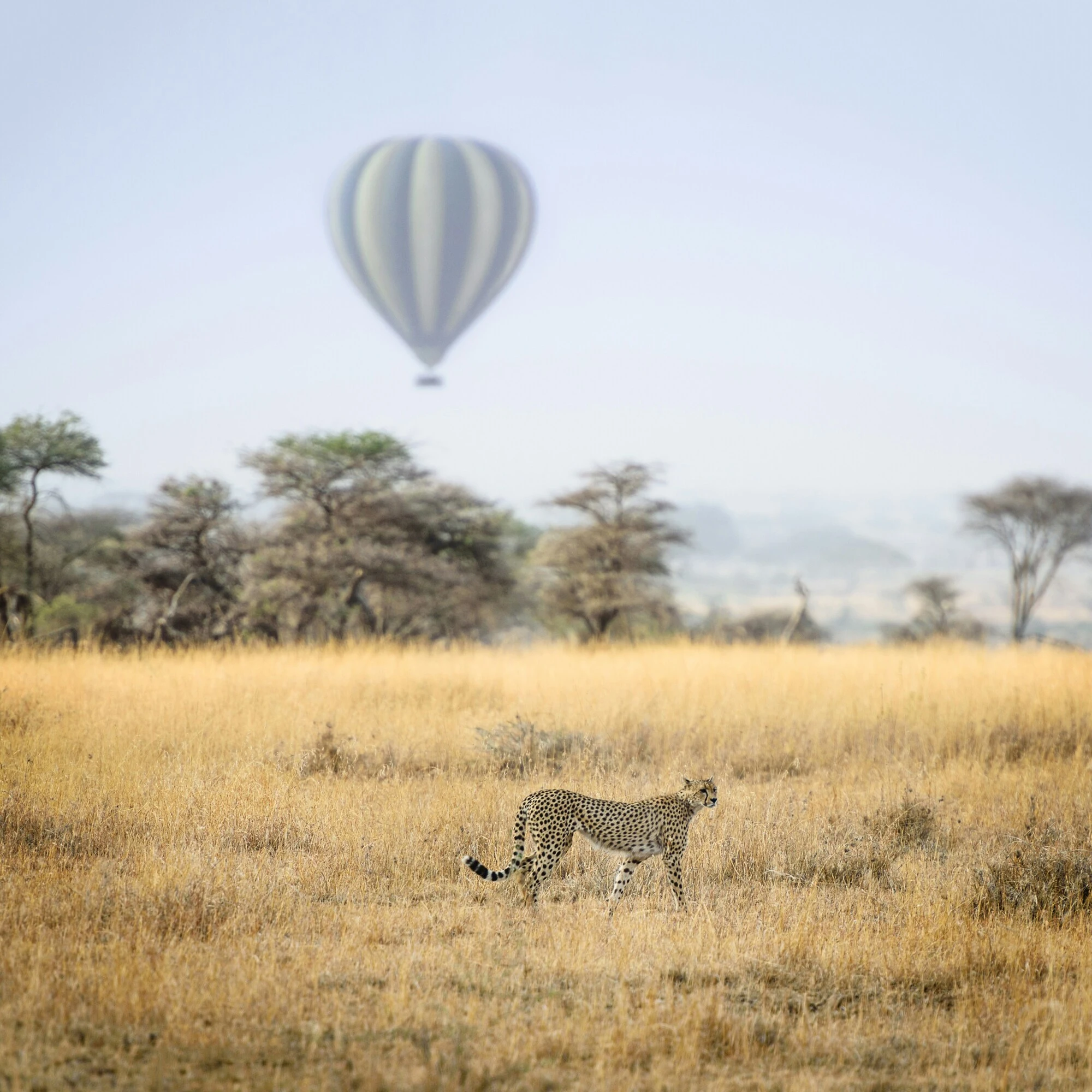
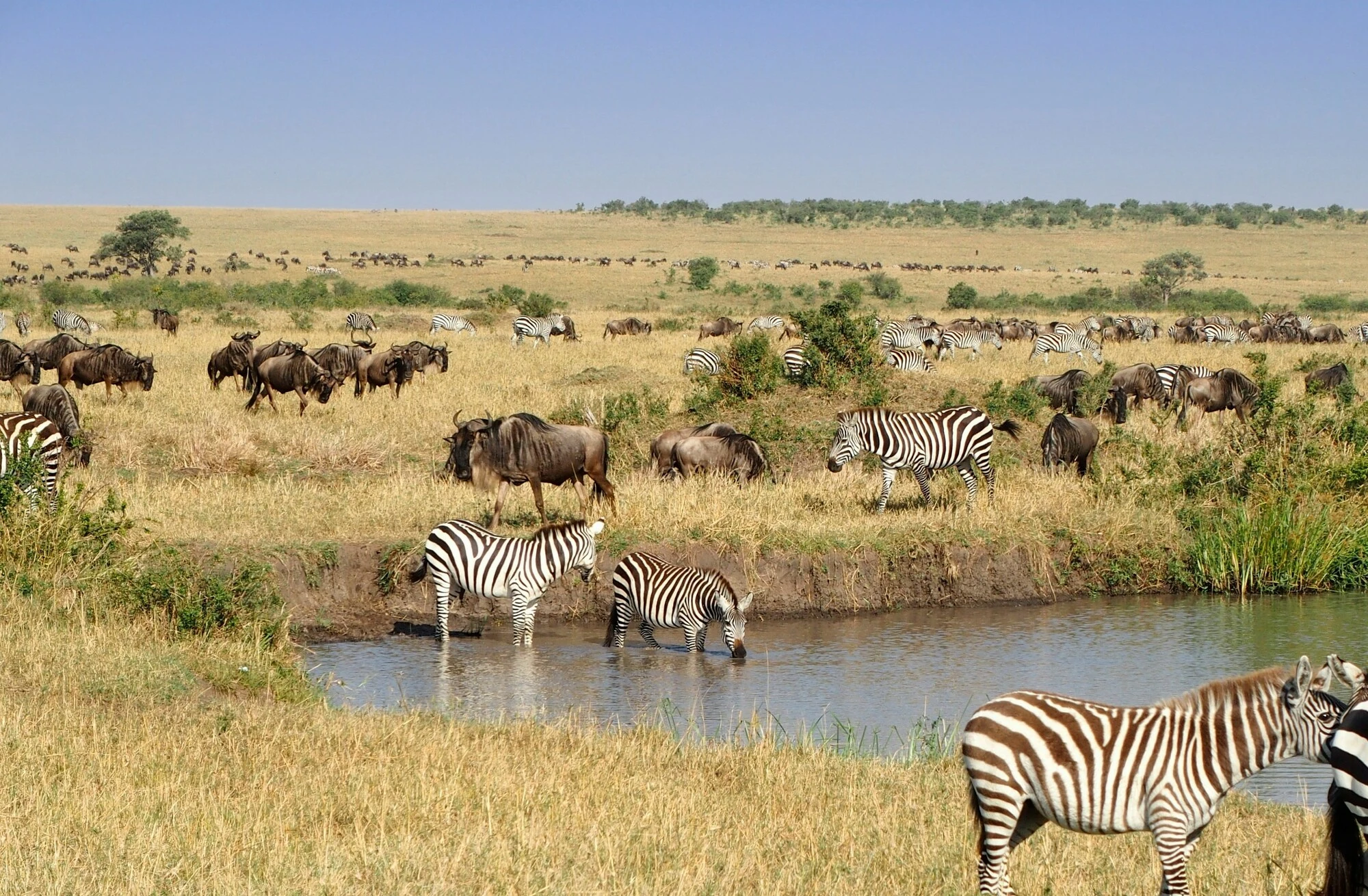
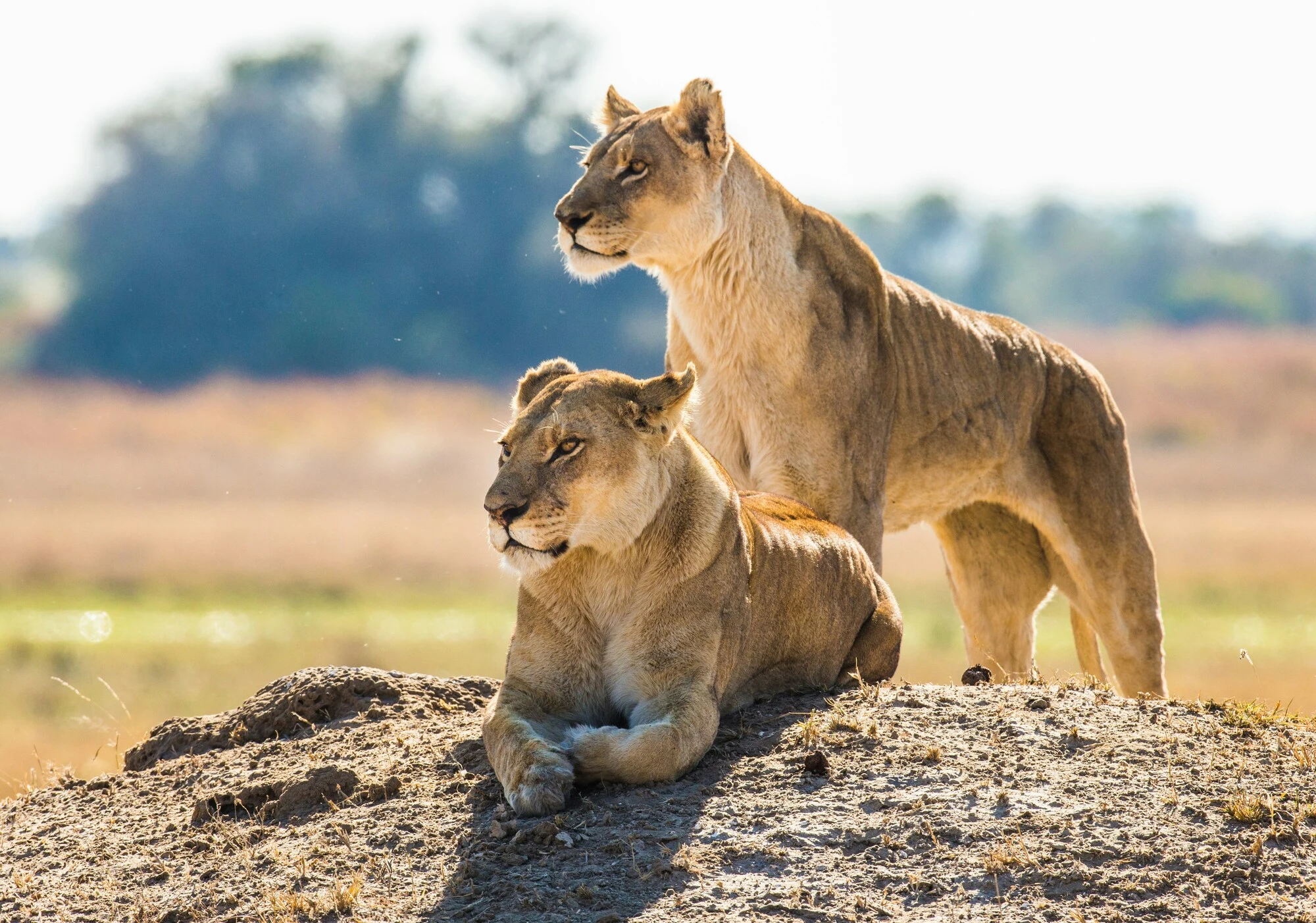
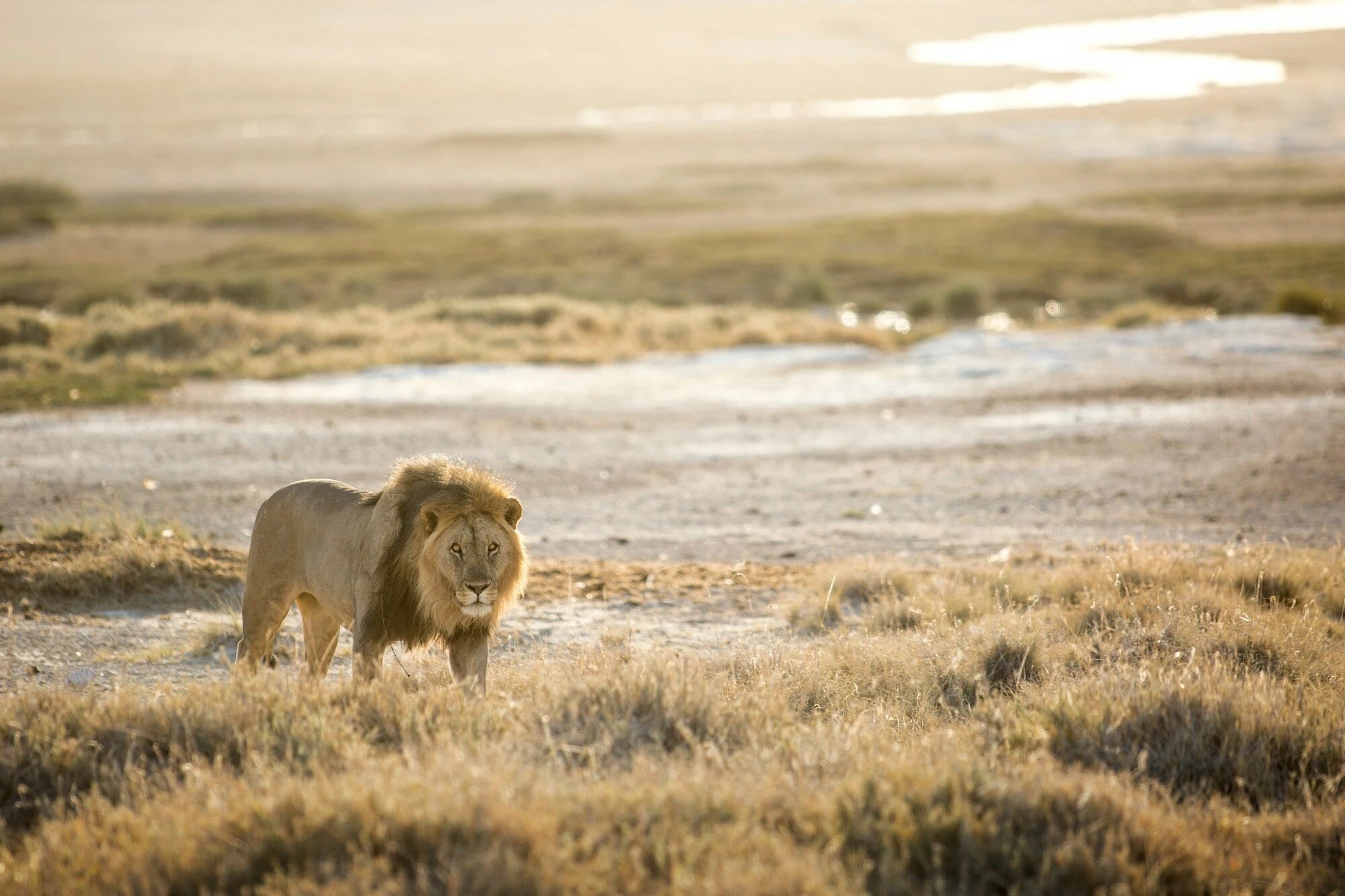
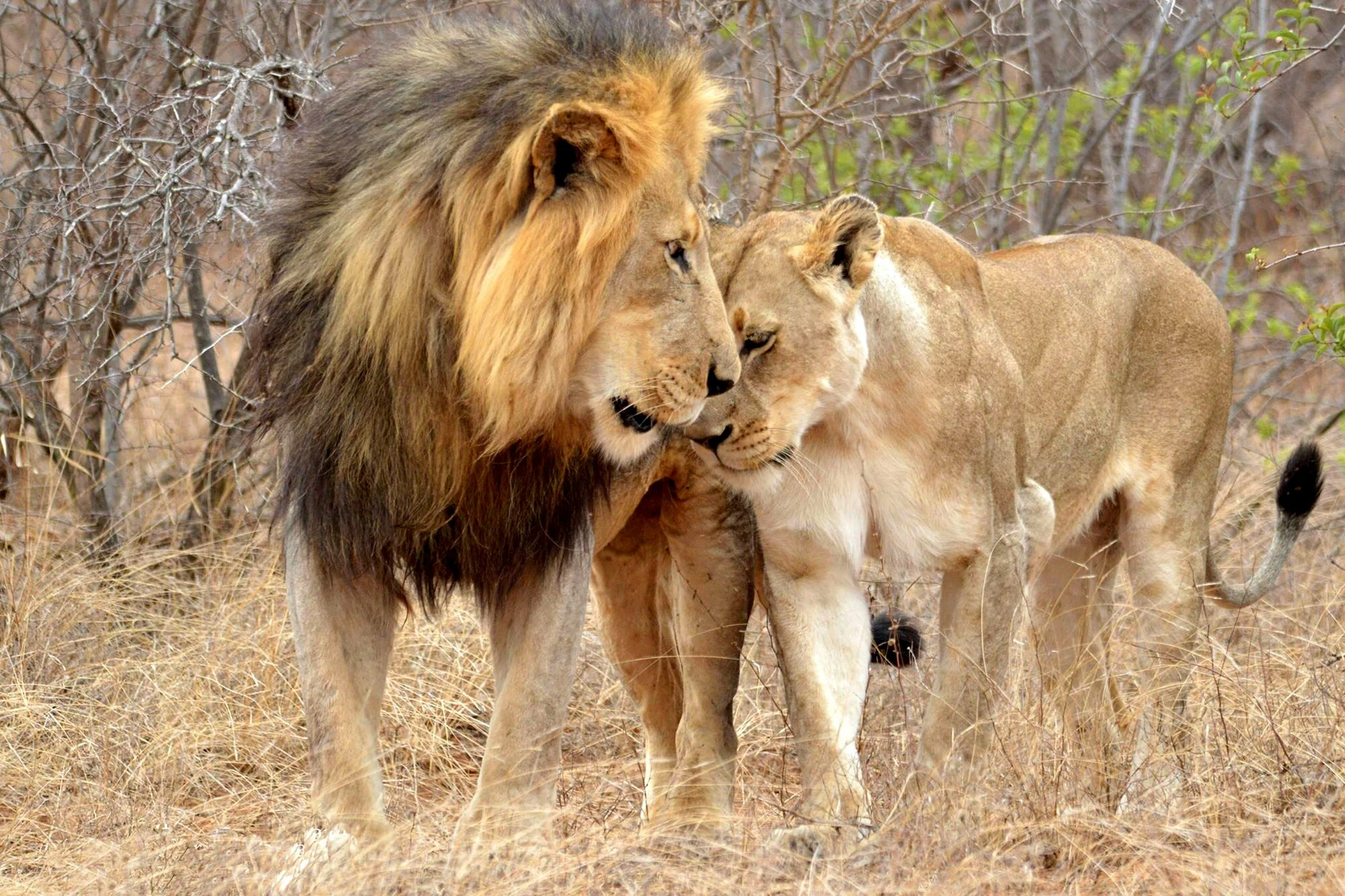
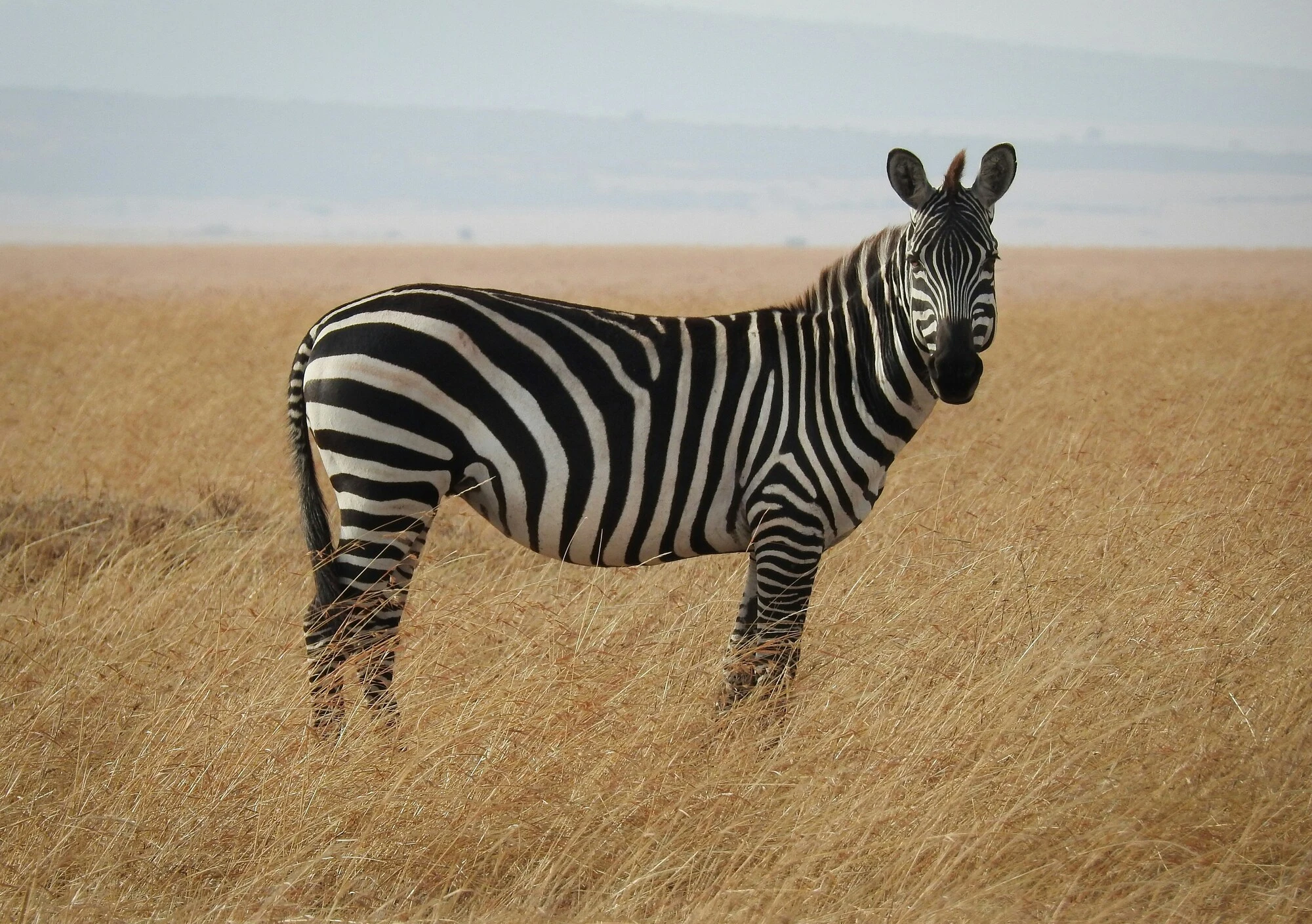
Masai Mara is particularly famous for the Great Migration, which occurs annually between July and October. During this period, over a million wildebeest, along with hundreds of thousands of zebras and other herbivores, make their journey from the Serengeti in Tanzania to the lush grazing fields of the Mara. This dramatic event attracts countless predators, including lions, cheetahs, and hyenas, offering thrilling wildlife sightings.
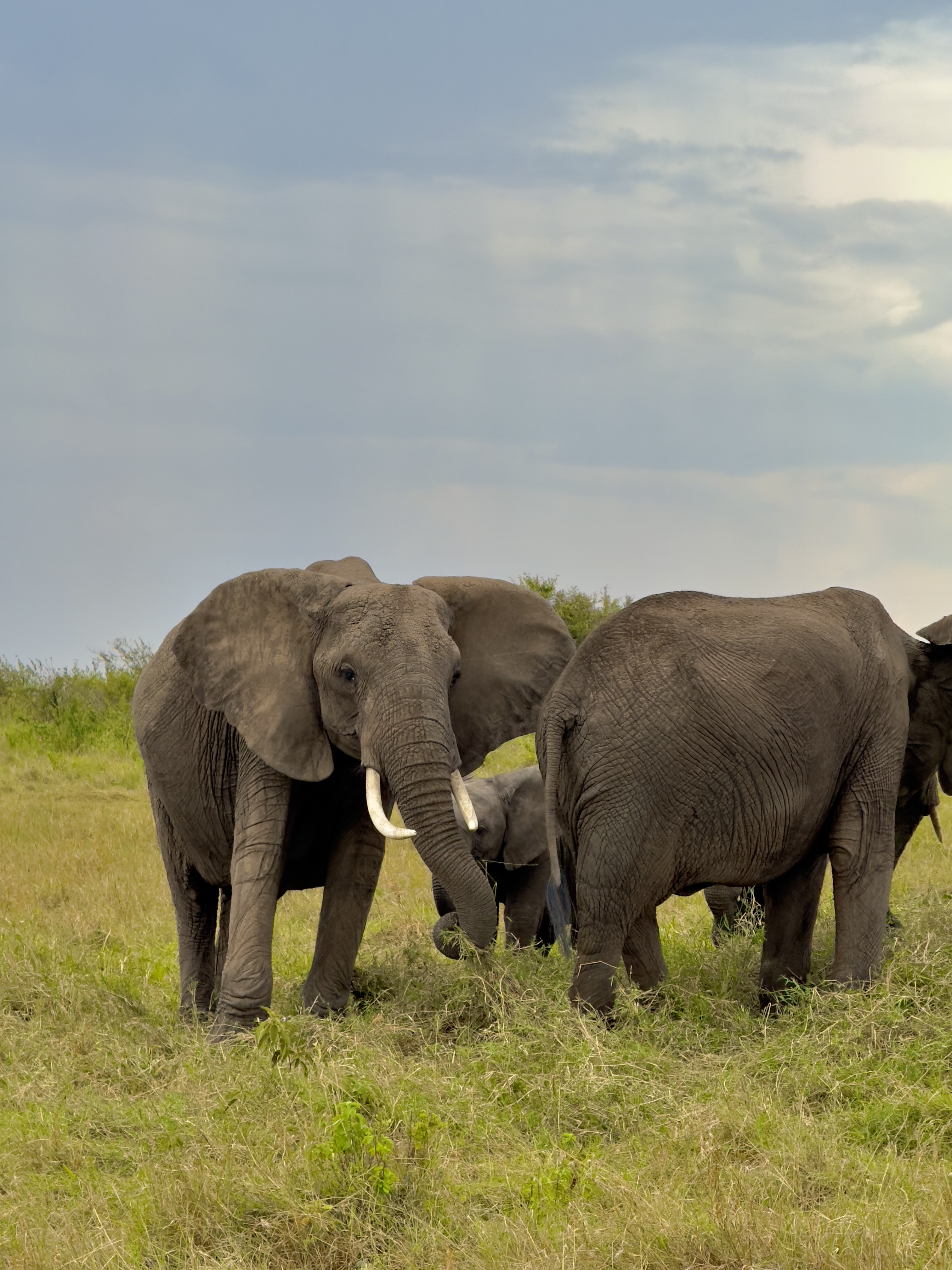
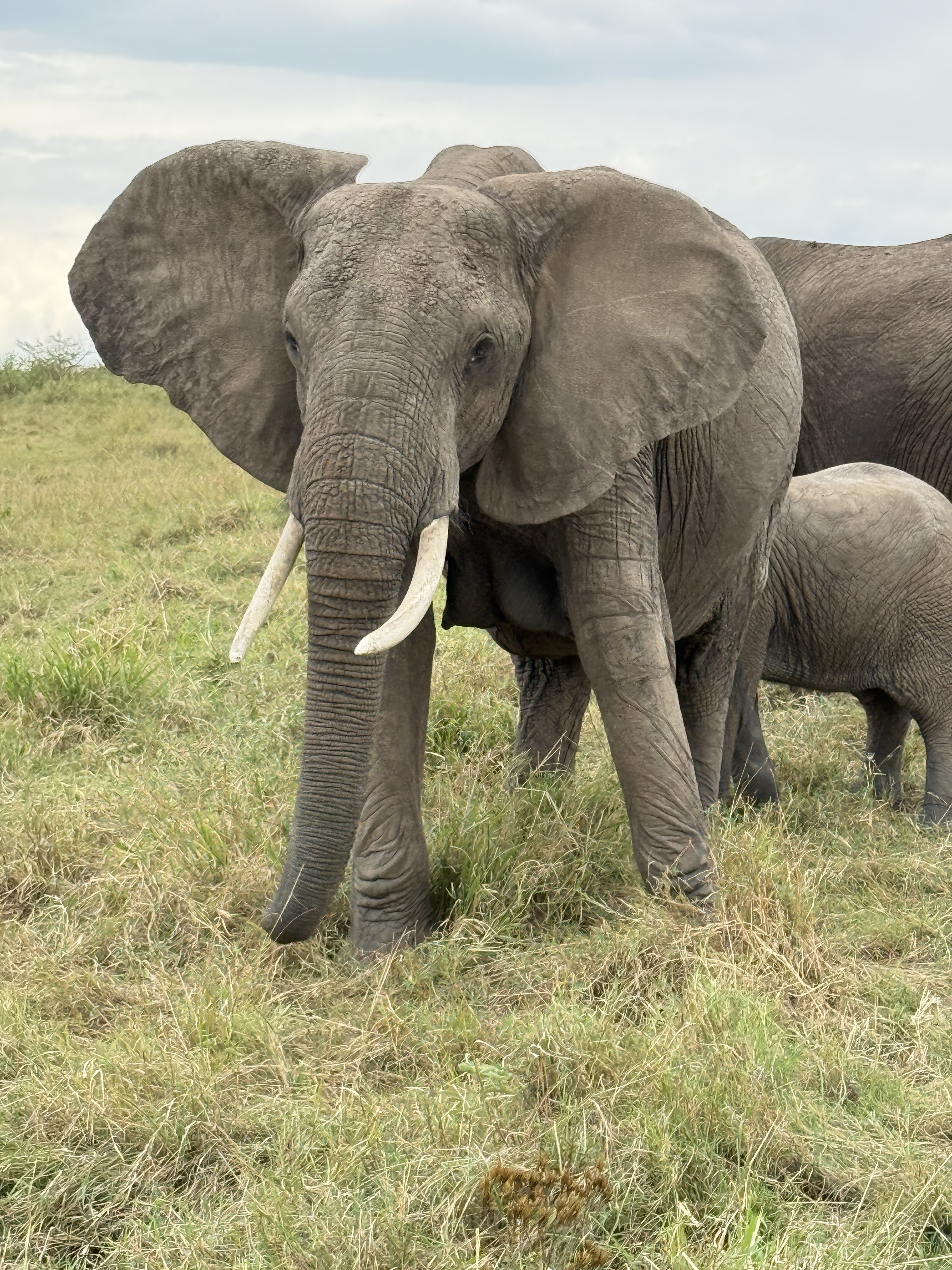
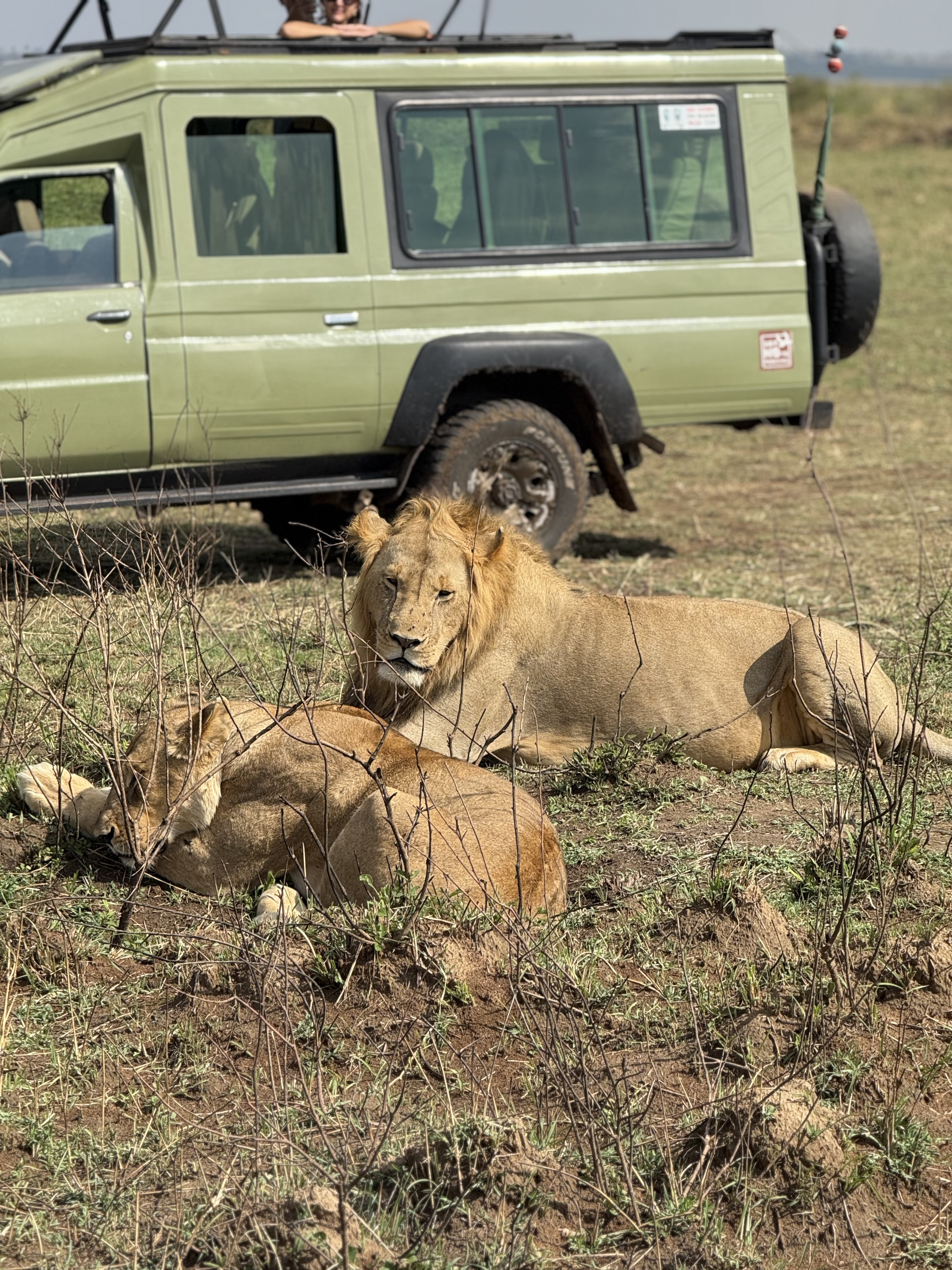
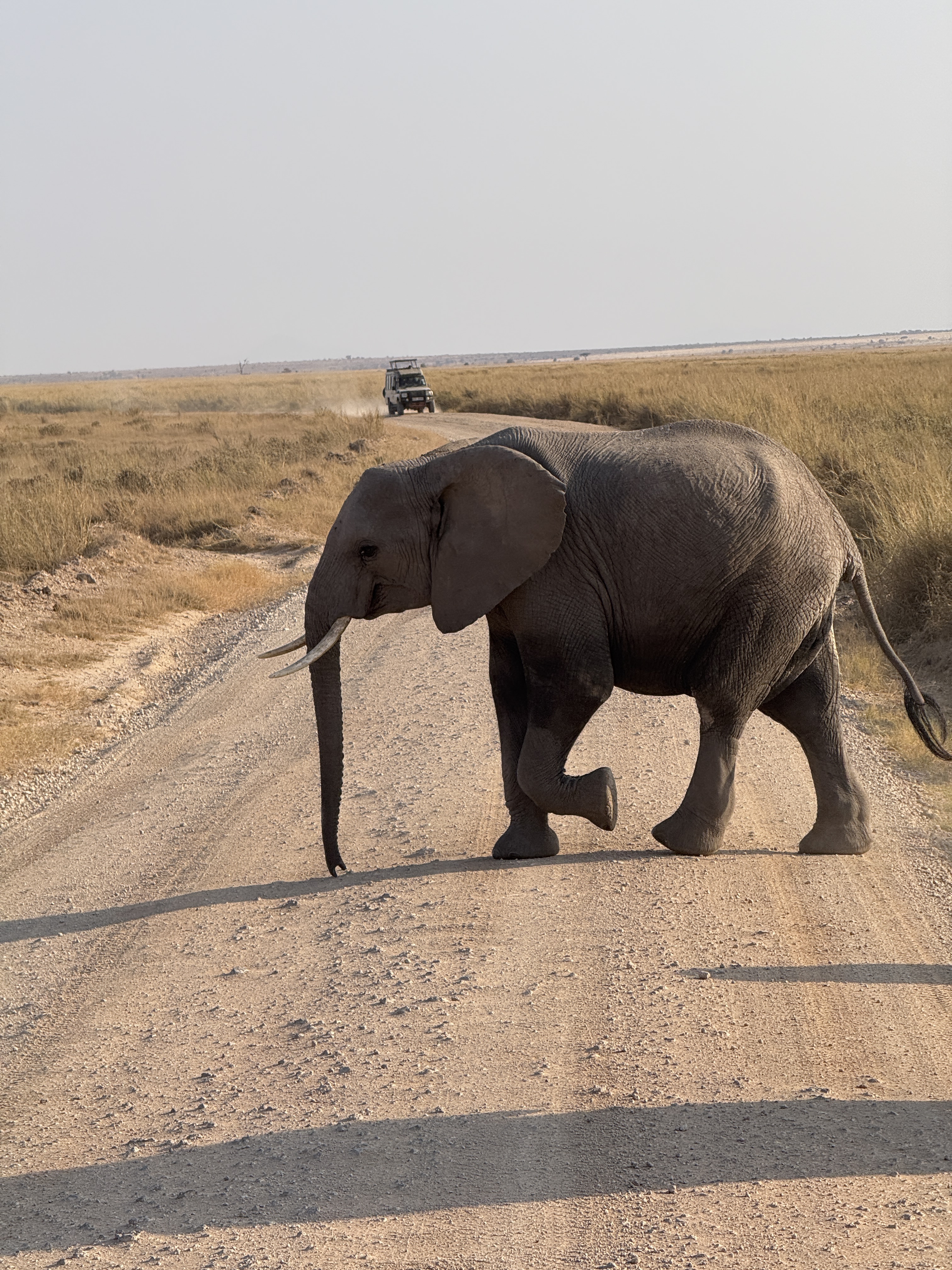
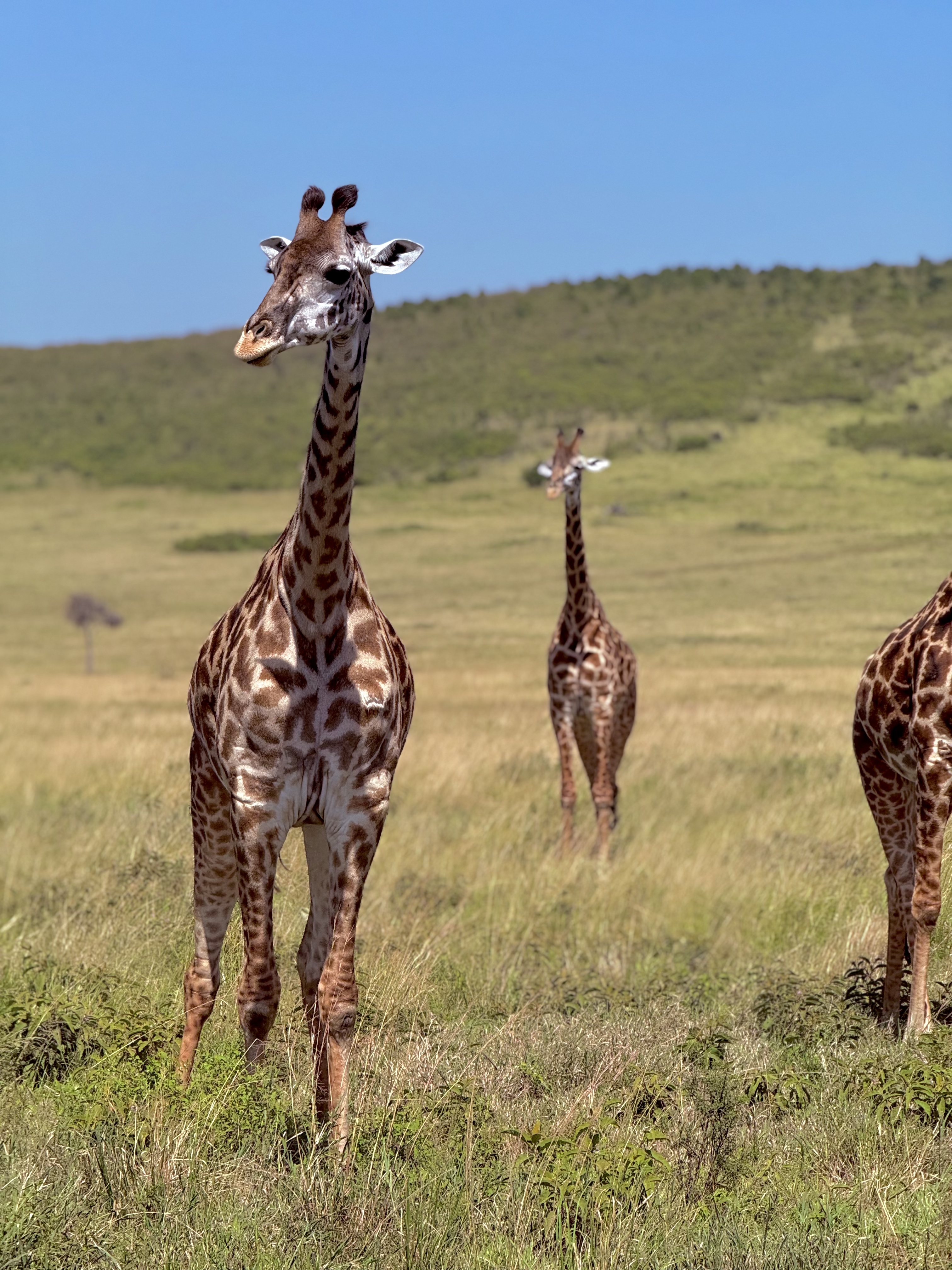
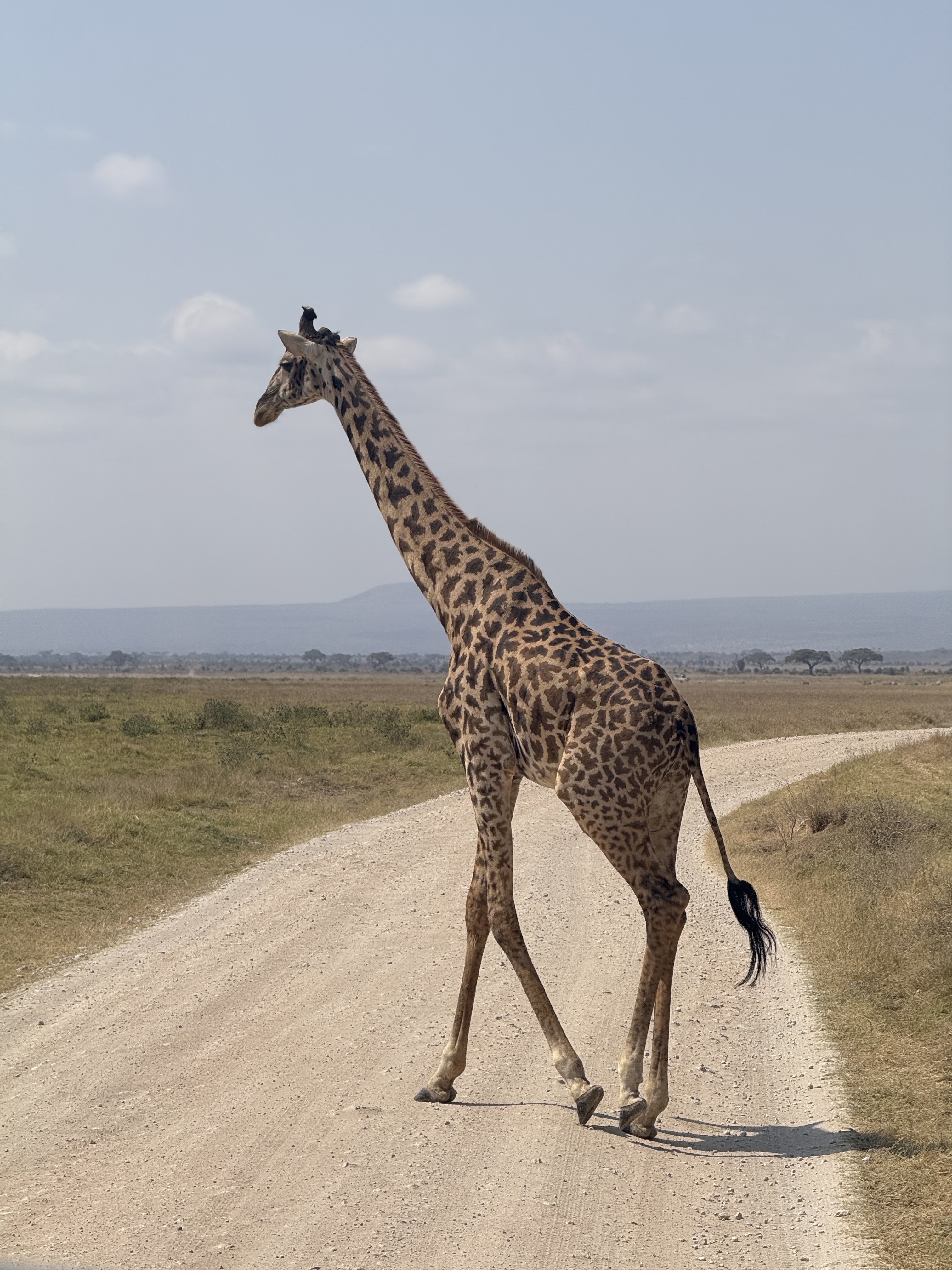
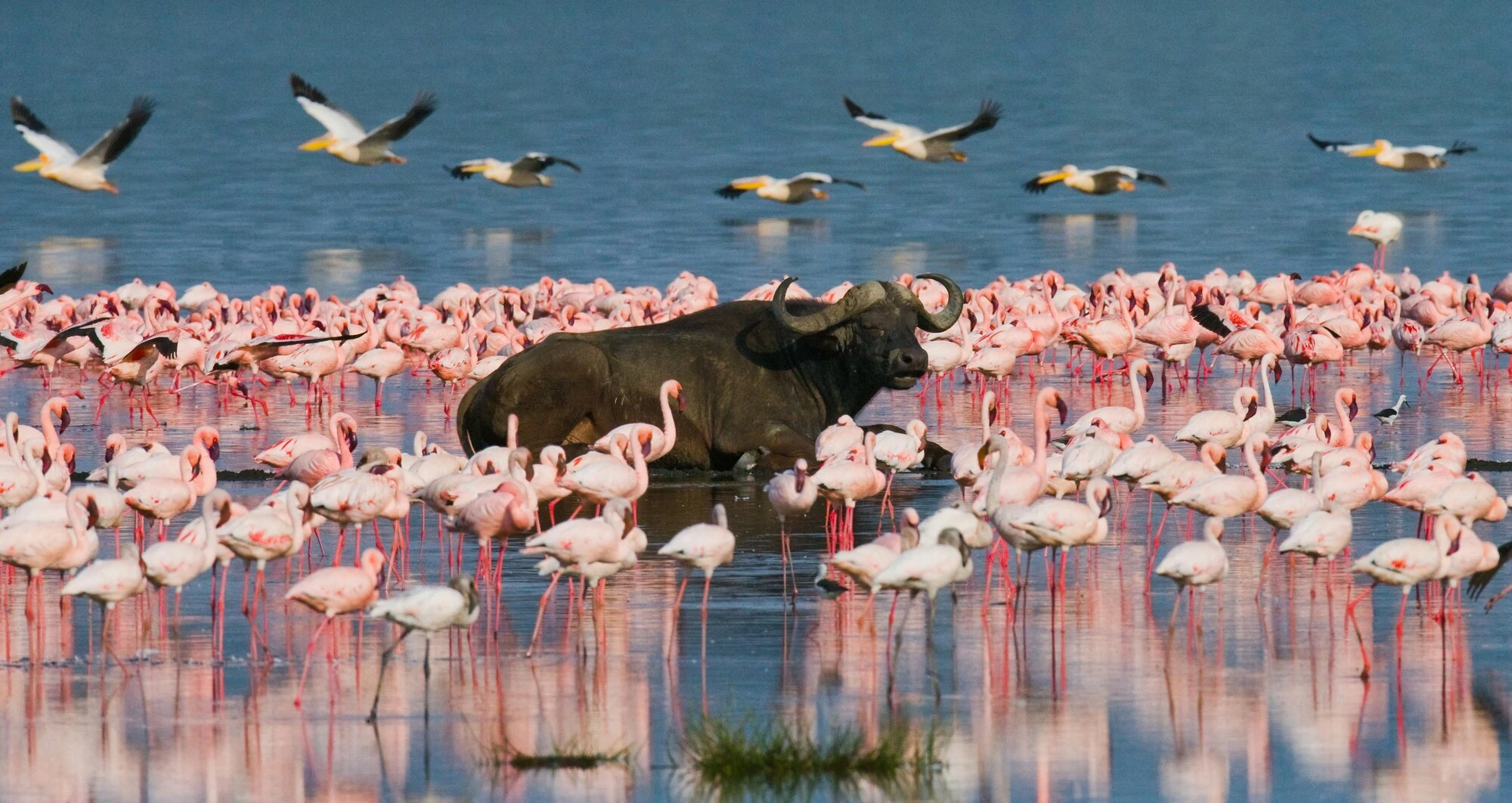
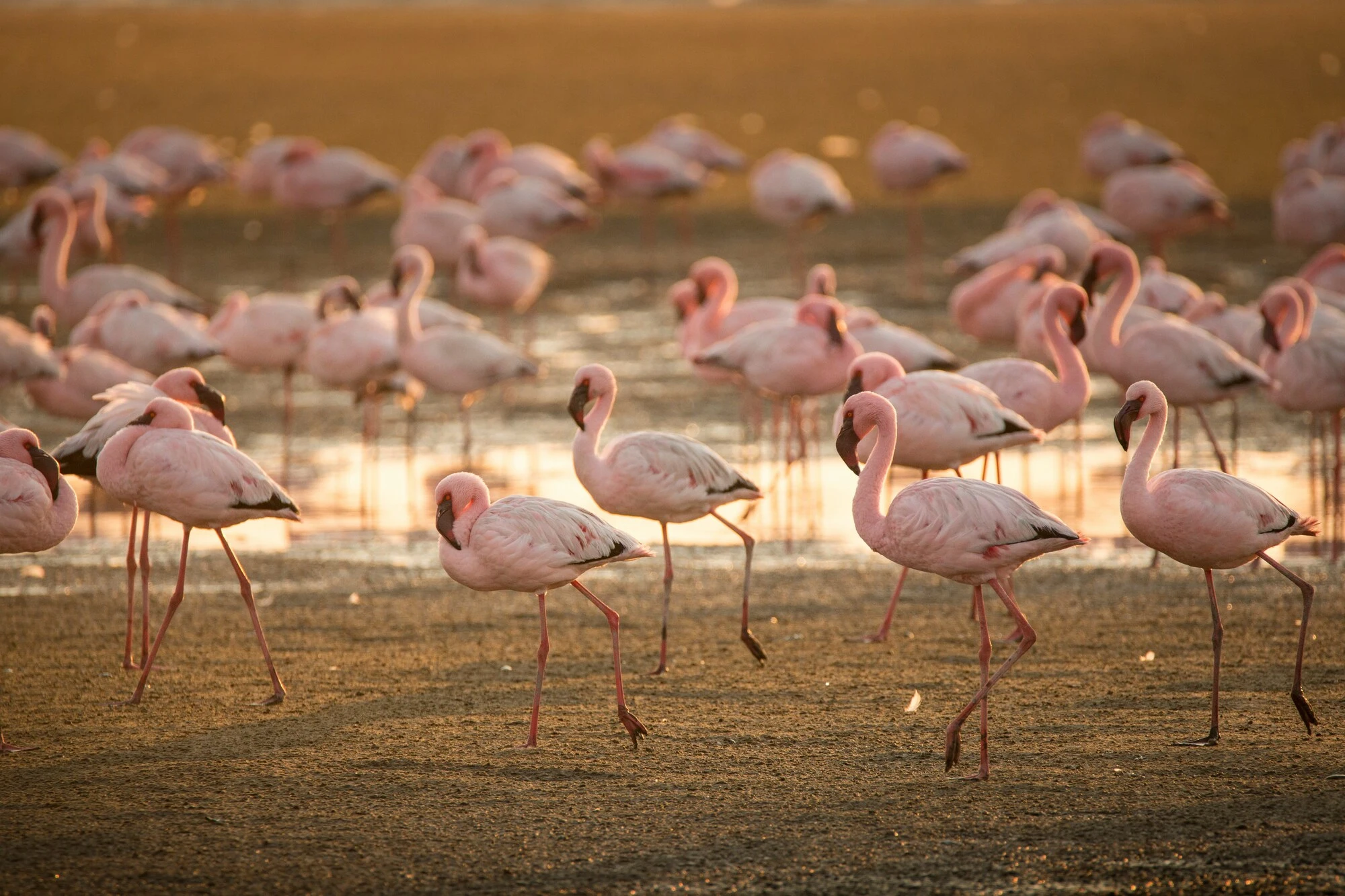
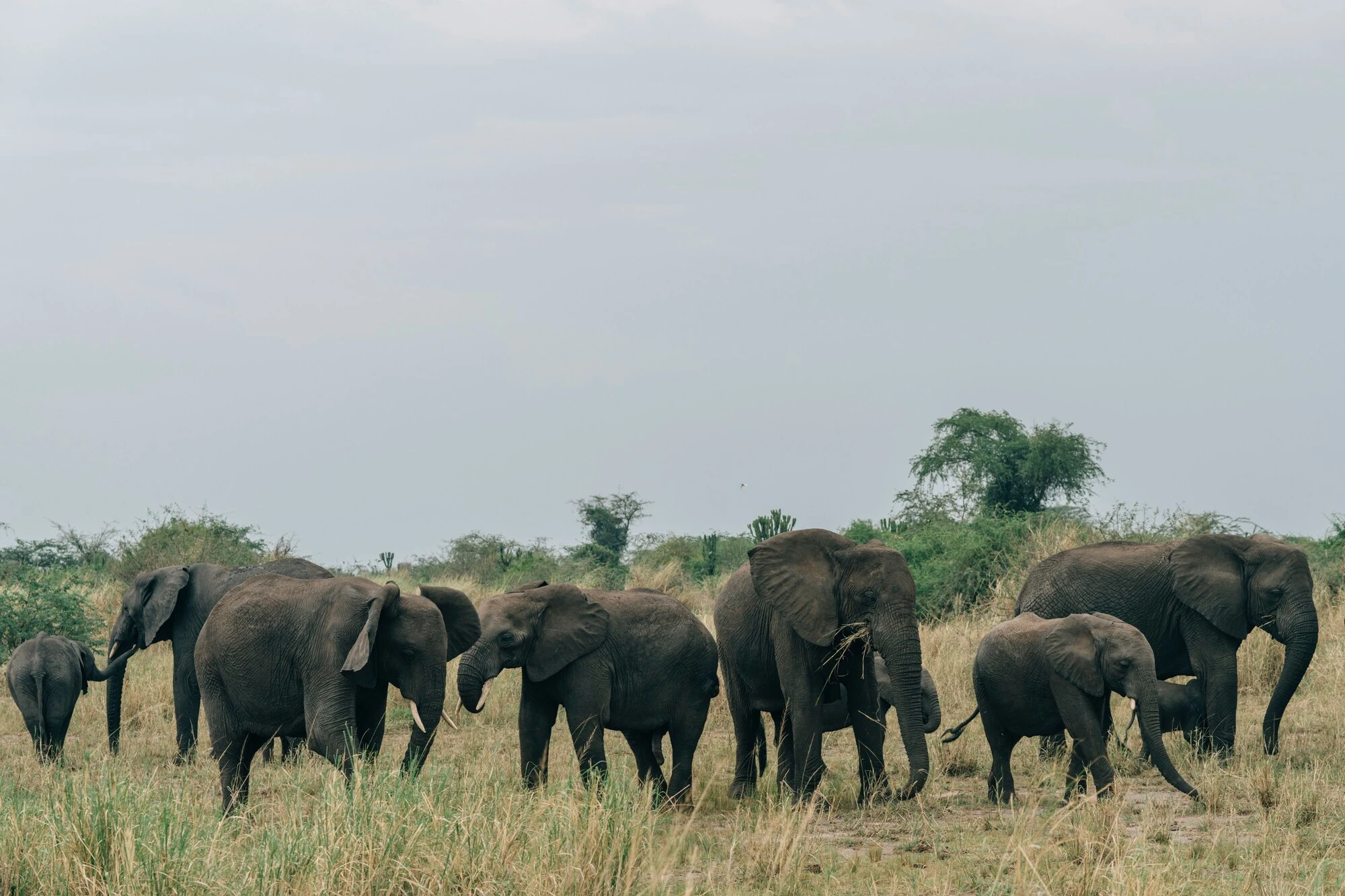
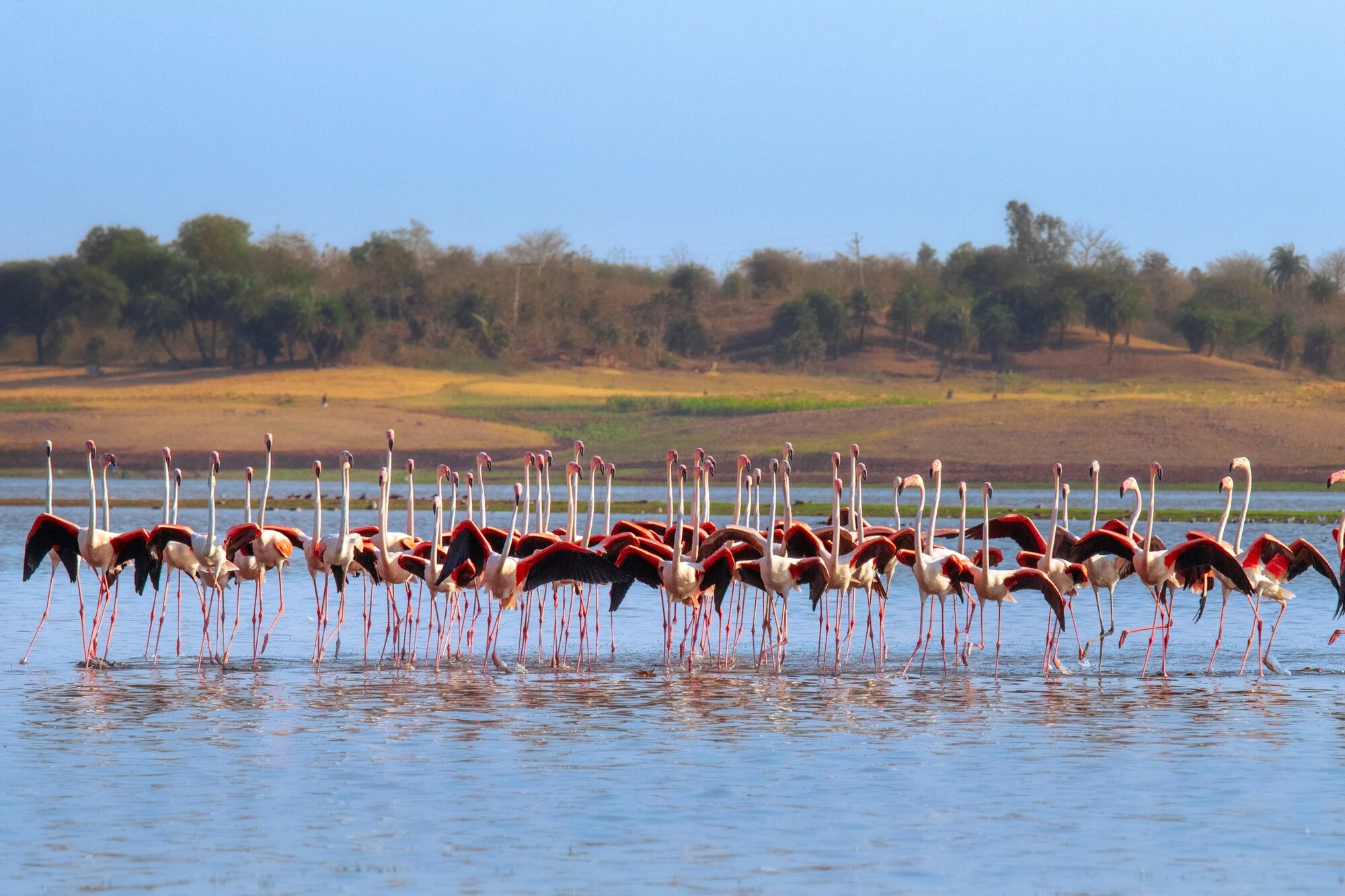
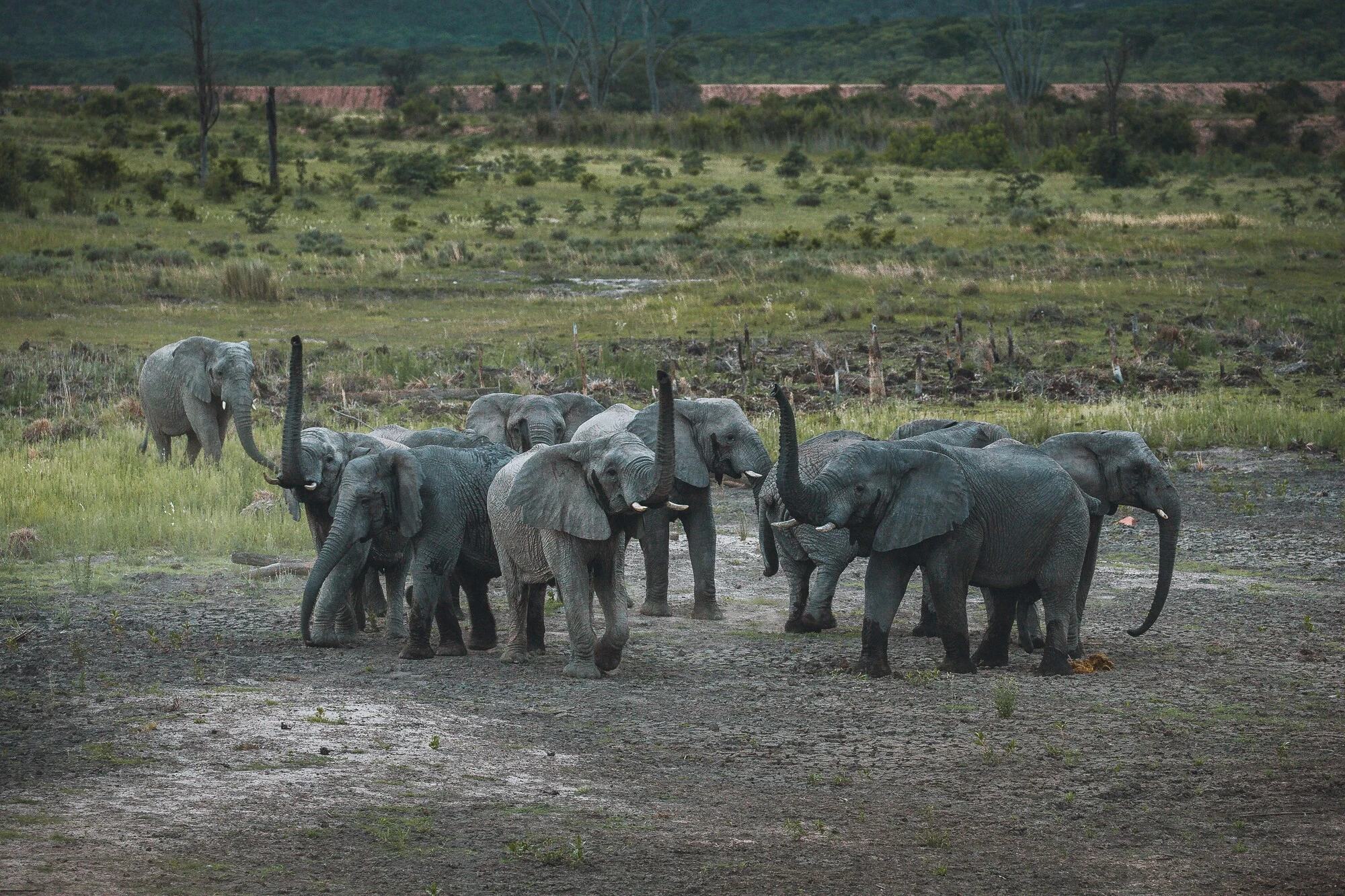
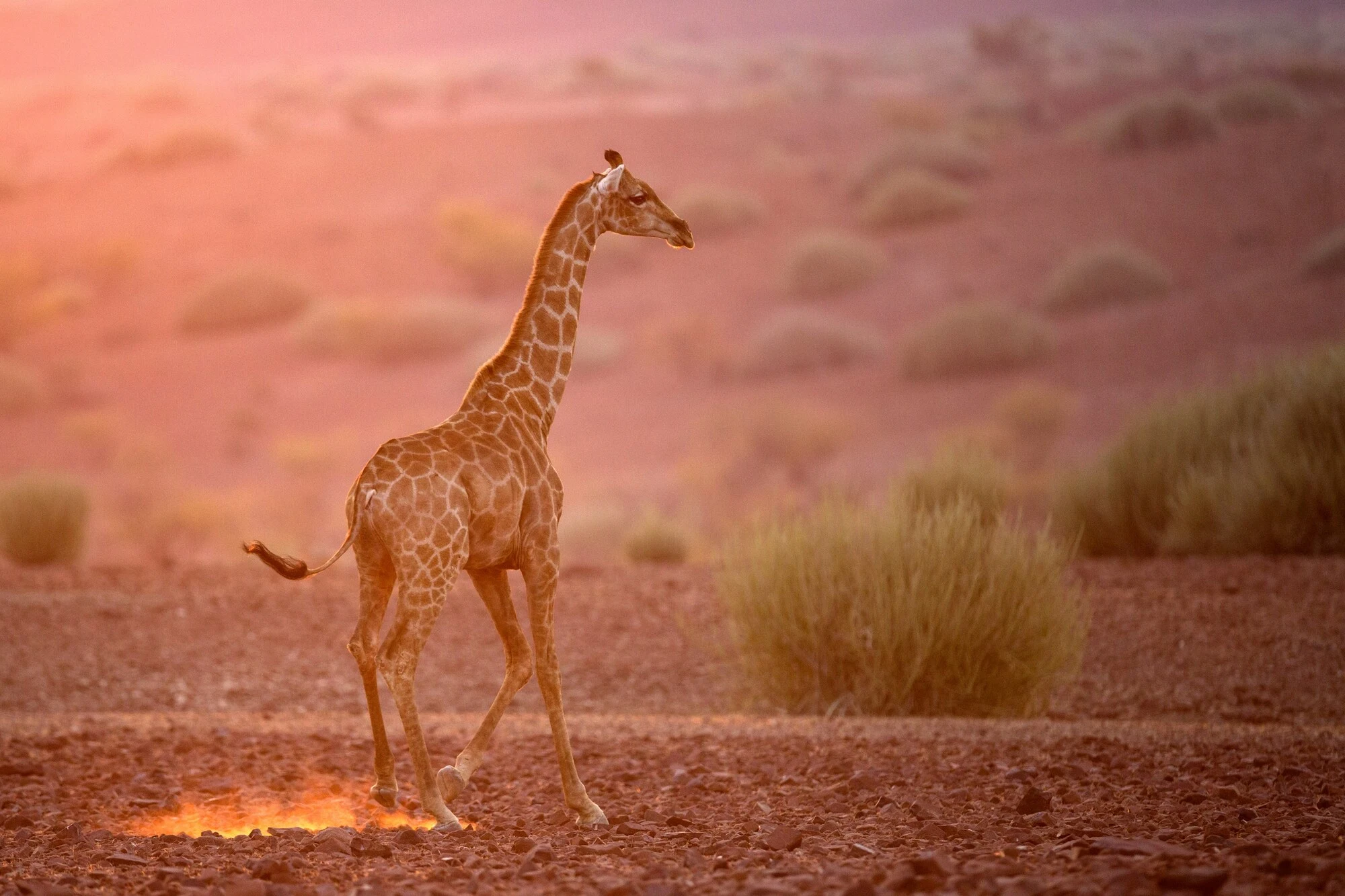
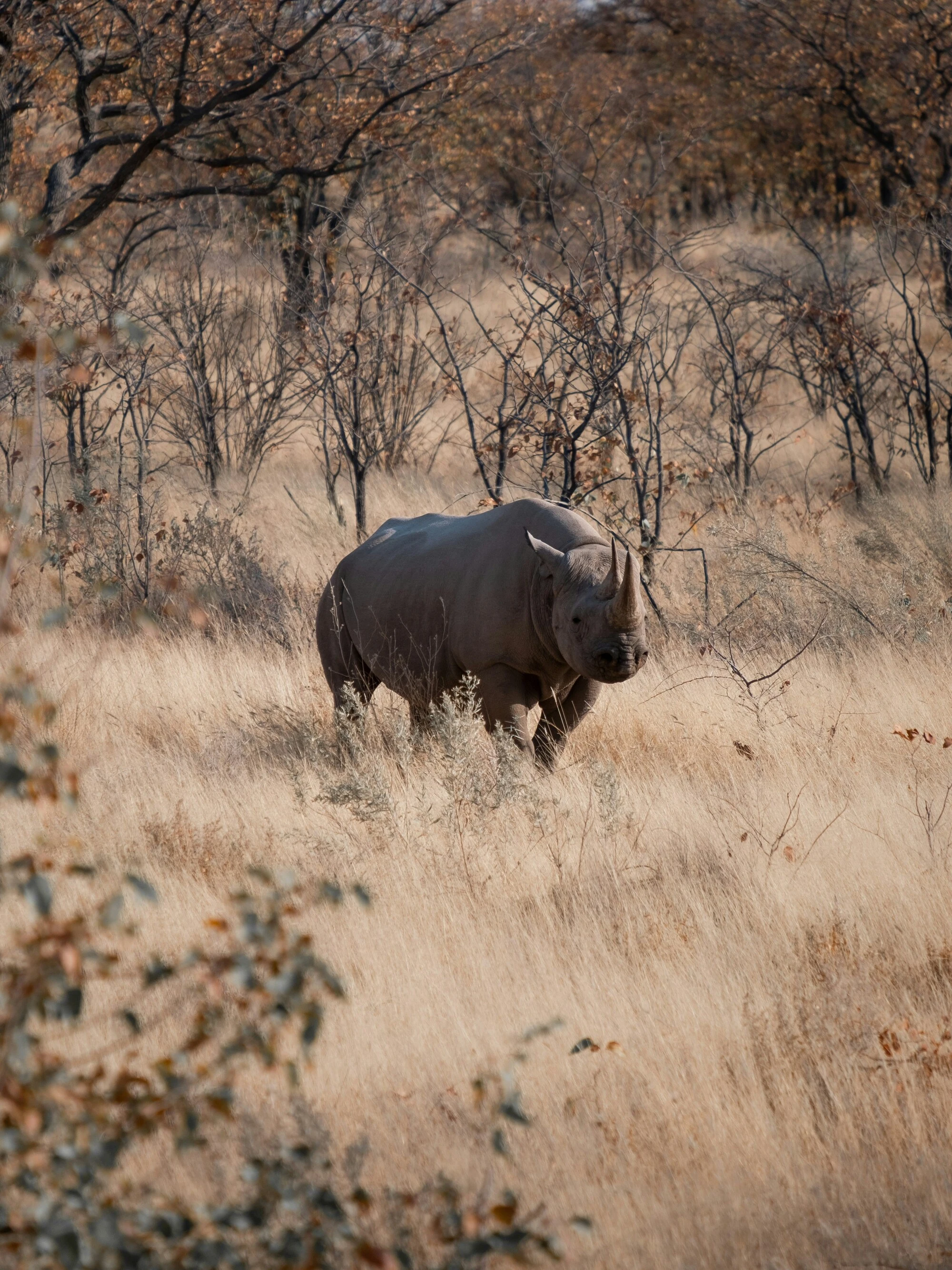
The reserve is home to the “Big Five” – lions, African elephants, buffaloes, leopards, and rhinoceroses. Visitors can also spot a wide array of other mammals such as giraffes, antelopes, hippopotamuses, and various bird species, making it a haven for wildlife enthusiasts and photographers alike. In total, over 500 species of birds have been recorded in the Masai Mara, including the iconic African fish eagle and various migratory birds.
Cultural Significance
In addition to its wildlife, Masai Mara is also culturally significant. The Maasai people, a semi-nomadic tribe, inhabit the area and maintain a vibrant culture characterized by distinct traditions, music, dance, and crafts. Visitors to the reserve often have the opportunity to learn about Maasai customs and engage with local communities, enriching their experience while promoting cultural understanding.
Maasai Mara Packages
Products



Activities and Experiences
Masai Mara offers a variety of activities for visitors, including.
The most popular activity, allowing guests to explore the park’s diverse landscapes and observe wildlife in their natural habitat, typically early in the morning or late in the afternoon
A unique way to experience the Mara from above, offering breathtaking views of the landscape and wildlife
Guided walks provide a closer look at the smaller creatures, plants, and the intricate ecosystem of the reserve, led by knowledgeable Maasai guides.
Arranging visits to Maasai villages allows tourists to engage with the local community and learn about traditional way of life.
Some lodges offer night safaris, revealing nocturnal wildlife that is typically hidden during the day.
Conservation Efforts
The Masai Mara National Reserve faces various challenges, including human-wildlife conflict, poaching, and habitat destruction. Various organizations and government bodies are actively working on conservation initiatives to protect wildlife and preserve the ecosystem. Community-based tourism efforts also empower local communities to engage in conservation while benefiting economically.
Conclusion
Masai Mara National Reserve is not just a destination but an extraordinary experience that combines breathtaking landscapes, thrilling wildlife encounters, and rich cultural heritage. Its dynamic ecosystem continues to attract nature lovers and adventure seekers from around the globe, solidifying its reputation as one of Africa’s top wildlife reserves. Whether you are a seasoned safari-goer or a first-time visitor, the magic of the Masai Mara leaves an indelible mark on all who have the privilege to explore its wonders.
Gallery